THE RISE OF SANTOH ZHUNI HUS AND POSSIBLY THE RISE OF CHAO ZHOU GONG FU CHA?………………………………….
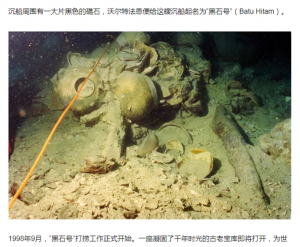
Sometimes great events in ancient Chinese history were buried deep in the ground like the Sanxingdui ruins or in deep water like the Tang(Blackstone) shipwreck. However sometimes great historical events in mainland China were lost to wars and turmoils so much so nothing was documented or recorded about them, making that part of Chinese history opaque and any study and research on them daunting to say the least and impossible to say the worst. Such is the case of the Transition Period where the study and research on the chapter of ‘Chinese tea culture’ saw a blank page because not much to nothing was known about Jingdezhen, the porcelain capital of the world, which it was known then.
Fortunately, sometimes the huge community of immigrant Chinese outside mainland China can be a savior, sanctuary and great depository for historical events that happened in China especially in the Transition Period where the near 500 years of Chinese history were kept intact and well in tombs and graves in the Nanyang….away from the wars and turmoils of that period in mainland China. This is particularly the case with Chinese tea culture of the last 500 years when the greatest tea culture in the world, Gong Fu Tea was born after Chinese tea culture has developed and evolved for over 4,737 years.
I, on behalf of Ren Fu Collection, am happy to say we have achieved a feat, never been done before by anyone, and that was to rescue-excavate thousands of graves/tombs awaiting demolition to make way for residential, commercial and industrial developments in the Nanyang countries between the 1970s and 1990s. From the great treasure trove of archaeological materials and information we recorded and kept , we have made tremendous discoveries ranging from the small to the great. And of the greatest discoveries in Chinese tea culture we made was the Hui Meng Chen’s invention of the legendary Small Meng Chen Zhuni Pot and its correlation with the birth of Gong Fu Tea. Of course other discoveries are important too except more important to regional pride and credibility than to the world at large like our archaeological proofs that Fujian invented Gong Fu Tea and now, for this next part, we will show to the learning or even study and research world, even though Chao Zhou people did not invent Gong Fu Tea but they might have invented their own version of Gong Fu Tea or Chao Zhou Gong Fu Cha some 70 years later when Santoh Zhuni Pots started to appear in Early Qian Long/Yongzheng.
Why and how?
Why?:
The Chao Zhou people did not invent Gong Fu Tea in Early Kangxi as proven by Ren Fu Collection’s excavated Kangxi Gong Fu tea wares but they might have practice another Gong Fu Tea(or Cha in Guangdong language).
How(do we know)?:
Two big wars influenced migrations to the Nanyang(modern day South-East Asia or ASEAN). One was the wars of NanMing in the Transition Period and the other was the Opium Wars. Both caused mass migration to the Nanyang or in the case of the Fujians, it was the two exodus to the Nanyang which happened when in 1661, pressured by advancing Qing forces/fleets, Koxinga abandoned Fujian and fled to Taiwan and in 1683 when the Kingdom of Tungning in Taiwan fell to the Qing forces as Ren Fu Collection’s huge archaeological trove of excavated Kangxi Gong Fu tea wares attested to.
In contrast the more affordable Santoh Zhuni Pot did not appear or was not invented because of the economic downturn or hard times due to the Opium Wars but was created in the most prosperous Qing period, namely, in Early Qian Long’s reign( or even Yongzheng going by our earliest excavated Santoh Zhuni Pot).
Santoh Zhuni Pots only became mainstream and popular in Daoguang because they were affordable and plentiful in contrast to Zhuni Pots which were scarce and very expensive by the time of Daoguang.
According to Chao Zhou scholars, historical records suggest that people in Chao Zhou and Shantou had been tea consumers since the Song Dynasty. And since the Ming Dynasty, tea were usually brewed in a large teapot. Even up until now, you can still see Guangdong people brewing teas in a large porcelain teapot. In the Middle Qing Dynasty, a lot of Chinese especially Guangdong people migrated to Sounth-east Asia and where Liu Bao tea was the standard choice of Guangdong people(Chao Zhou included). The reasons for the migration were economic and political: to escape wars and attracted by economic opportunities and higher wages in the Nanyang, to take one example like in the newly discovered tin mines in Malaysia.
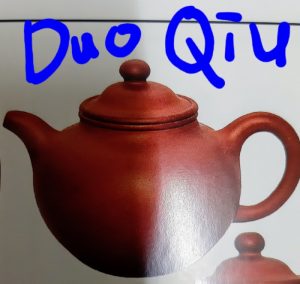
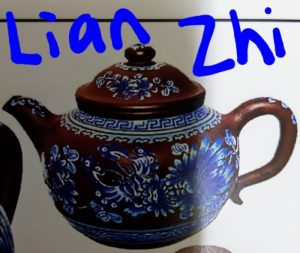
According to Ren Fu Collection’s archaeological trove of Santoh Zhuni Pots(of the first One Thousand Pots), Santoh Zhuni Pots which must have originated in Chaoshan, appeared in the Nanyang in Early Qian Long( or possibly Yongzheng) coinciding with the most prosperous time in Qing history but it was catering to a niche market where according to Ren Fu Collection’s recorded statistics out of every 10 Pots excavated only 2 were Santoh Zhuni Pots and the other 8 were almost all Zhuni Pots and by the time of Daoguang, coinciding with the Opium Wars, Santoh Zhuni Pots climbed in popularity in the ratio of 8 out of every 10 Pots excavated were Santoh Zhuni Pots with the rest Zhuni Pots, which was a reverse market trend. Now we know some of you clever people are going to ask: was Santoh Zhuni Pots invented to create more variety or to provide a cheaper alternative to the rare and very expensive Zhuni Pots. Okay, let’s imagine this situation in real life at that time in Qian Long’s reign: Zhuni Pots in Fujian and Guangdong were very expensive so a few clever Chao Zhou people thought, “ Zhuni Pots are so expensive, why don’t we just add some Santoh clay which is cheap and plentiful in Chaoshan, to Zhuni clay and sell in the market to compete with Zhuni Pots by offering a cheaper choice?”.
However amidst the competition between Zhuni Pots and Santoh Zhuni Pots, something remained the same and very important: the name of Meng Chen continued in Santoh Zhuni Pots because whether it was Chao Zhou or Fujian Gong Fu Tea, Meng Chen was adored, respected and most treasured in China, a fame and popularity unmatched by any other Master Potter, old or contemporary.(the next most popular Potter at a distant second was Hui Yi Gong-see later posting about Hui Yi Gong).
N.B: Our research on Santoh Zhuni Hus is shallow, not vigorous and not enough, so we hope scholars and professors especially in Santoh University and other institution of learning in Guangdong can help shed more light on the subject of Santoh Zhuni Pots especially now that Ren Fu Collection can provide a huge archaeological trove for their study and research compared to the meager two archaeologically excavated Santoh Zhuni Pots found in mainland China.
**Prelude to the next great topic: Thousands of excavated graves/tombs with archaeological records are like thousands of time capsules of history and when you opened up these thousands of time capsules, it’s like you are stepping into the real world of the deceased and going back in time to when and where all these wonderful tea, teapots and tea wares existed. Now in the following part we shall share with you lucky learners first, some of what we are going to share with the professors, scholars and PHD researchers in universities all over the world later.**
汕头朱泥壶的崛起和潮州功夫茶的崛起?…………………………………….
中国古代历史上的重大事件有时像三星堆遗址一样被埋在地下,或者像唐(黑石)沉船一样被埋在深水中。然而,有时中国大陆的重大历史事件因战争和动乱而消失得如此之多,以至于没有任何关于它们的文件或记录,这使得中国历史的那部分不透明,任何对它们的学习和研究至少可以说是令人生畏的,最坏的说法是不可能的.过渡时期就是这样,对“中国茶文化”一章的学习和研究一片空白,因为当时人们对世界瓷都景德镇知之甚少。
幸运的是,有时中国大陆以外的庞大华人移民社区可以成为中国发生的历史事件的救世主、避难所和伟大的存放地,特别是在过渡时期,中国近 500 年的历史坟墓中完好无损。在南洋……远离中国大陆那个时期的战乱。尤其是近500年的中国茶文化,世界上最伟大的茶文化——工夫茶诞生于中国茶文化4737年的发展和演变。
我代表任富收藏很高兴地说,我们取得了前所未有的壮举,那就是抢救 – 挖掘数千座等待拆除的坟墓/墓葬,为住宅、商业和工业开发让路在 1970 年代至 1990 年代的南洋国家。从我们记录和保存的考古资料和信息的巨大宝库中,我们有了从小到大的巨大发现。而我们在中国茶文化中的最大发现,就是惠孟臣发明了传说中的小孟臣朱泥壶,并与功夫茶的诞生有关。当然,其他发现也很重要,除了对地区自豪感和信誉比对整个世界更重要,比如我们福建发明功夫茶的考古证据,现在,在下一部分,我们将展示给学习甚至学习和研究世界上,即使潮州人没有发明功夫茶,但大约 70 年后,当 汕头朱泥壶 开始出现在乾隆/雍正初期,他们可能已经发明了自己版本的功夫茶或潮州功夫茶。
为什么以及如何?
为什么?:
潮州人并没有在康熙初期发明工夫茶,正如任富收藏考古出土的康熙工夫茶器所证明的那样,他们可能还练习了另一种工夫茶(或广东话的茶)。
我们怎么知道?:
两次大战影响了向南洋(现代东南亚或东盟)的迁移。一是过渡时期的南明战争,二是鸦片战争。两者都引起了南洋的大规模迁移,或者就福建人而言,这是发生在 1661 年的两次南洋外流,在清军/舰队推进的压力下,郑成功(Koxinga) 放弃了福建并逃往台湾,并于 1683 年台湾东宁城落入清军之手,任富收藏馆出土的康熙工夫茶具的巨大考古宝库就是明证。
相比之下,价格更实惠的汕头朱泥壶,不是因为经济不景气或鸦片战争的困难时期而出现或发明的,而是在清朝最繁荣的时期,即乾隆初年(甚至雍正年间)创造的。由我们最早出土的 汕头朱泥壶为雍正时期发明的。
汕头朱泥壶之所以在道光时期成为主流和流行,是因为它们物美价廉,与道光时代的朱泥壶相比,朱泥壶稀缺而昂贵。
根据潮州学者的说法,历史记载表明,潮州和汕头人自宋代以来一直是茶饮者。而自明代以来,茶通常用大茶壶冲泡。时至今日,仍能看到广东人用大瓷壶泡茶。清代中叶,大量中国人,尤其是广东人移居东南亚,六堡茶是广东人(包括潮州人)的标准选择。移民的原因是经济和政治上的:为了逃避战争,被南洋的经济机会和更高的工资所吸引,举个例子,比如马来西亚新发现的锡矿。
据任富收藏考古宝库记载第一千套壶中的“汕头朱泥壶”,汕头朱泥壶一定起源于潮汕,出现于乾隆早期(或雍正时期)的南洋,恰逢清代最繁盛的时期。清史,但它迎合了一个小众市场,根据任富收藏的记录证据统计,每出土的10个壶中,只有2个是汕头朱泥壶,其余8个几乎都是宜兴朱泥壶,到了道光时期,恰逢鸦片战争,汕头朱泥壶以每件8件的比例攀升。出土的10个为汕头朱泥壶,其余为朱泥壶,呈逆市趋势。现在我们知道你们中的一些聪明人会问:汕头朱泥壶的发明是为了创造更多品种,还是为稀有且非常昂贵的朱泥壶提供更便宜的替代品。好吧,让我们想象一下乾隆时期当时现实生活中的这种情况:福建和广东的朱泥壶很贵,所以一些聪明的潮州人想:“朱泥壶这么贵,不如加点。潮汕物美价廉的汕头泥料,到朱泥市场上卖,以提供更便宜的选择与朱泥壶竞争?”
但在宜兴朱泥壶与汕头朱泥壶的较量中,有一点是不变的,也是非常重要的:汕头朱泥壶延续了孟臣的名字,因为无论是潮州还是福建功夫茶,孟臣都是被崇拜、尊重、最受尊敬的。在中国被珍视,其名声和知名度是任何其他陶艺大师都无法比拟的,无论是古代的还是当代的。(在遥远的第二位最受欢迎的陶艺大师是惠逸公——见后面关于惠逸公的帖子)。
N.B:我们对汕头朱泥壶的研究是浅薄的,不够积极,不够充分,所以我们希望学者和教授,尤其是汕头大学和广东其他大学的学者和教授能帮助更多地了解汕头朱泥壶这个主题,特别是现在,与中国大陆出土的两件微不足道的汕头朱泥壶相比,任富收藏可以为他们的学习和研究提供巨大的考古宝库。
**下一个精彩话题的前奏:出土的上千个考古记录的坟墓/墓葬就像成千上万个历史的时间胶囊,当你打开这数千个时间胶囊时,就像你走进了死者的现实世界,时光倒流,回到所有这些美妙的茶、茶壶和茶具存在的时间和地点。下面我们先跟各位幸运的学习者分享,之后我们将与世界各地大学的教授、学者和博士研究人员分享一些内容。**






THE DISCOVERY OF HUI MENG CHEN AND HIS LEGENDARY SMALL MENG CHEN ZHUNI POT HAS RELEASED FROM THE LAMP THE GENIE OF MANY NEW DISCOVERIES…………………………
We start off this final part of the most profound and critically important discourse on Hui Meng Chen, the legendary Small Meng Chen Zhuni Pot and Gong Fu Tea by lending our ears to what a British museum curator named Soame Jenyns had to say in 1955 using some extracts from his work findings( note that the old English parlance in the extracts were edited to modern English):
“ The period of transition between the fall of the Ming dynasty, and the rise of the Qing dynasty, as I shall define it, runs from the death of the 14th Ming Emperor Wanli in 1620, to the appointment of Zhang Ying Xuan as director of the Imperial porcelain factory at Jingdezhen, in the 21st year of Kangxi, second Emperor of the Qing dynasty, in 1683. In these 63 unsettled years, we know very little of what took place at Jingdezhen; it’s history is overshadowed by the dynastic struggle in which the Ming dynasty went down and the travail which surrounded the birth-pangs of the Qing dynasty which succeeded it.”
“ The 17th century is associated in the minds of collectors of Chinese porcelain with transition, change of dynasty, decadence of the kilns at Jingdezhen, and the collapse of the Imperial factory which was finally rebuilt and effectively organized in 1683”.
Ladies and Gentlemen, we are glad to say the Transition Period, about which very little is known, is our forte and our specialty because Ren Fu Collection has a lot of archaeological material, data and discoveries from the Transition Period and a lot, a lot more just after the Transition Period. Those statements above by a renown British museum curator are profound and poignant for the study and research of not only Jingdezhen porcelain but also Yixing wares where during this opaque period the King of Zisha Pots, Zhuni Hus, were created or born if you prefer, according to Ren Fu Collection’s huge archaeological trove of excavated Zhuni Pots. The why, how, where, when and what of Zhuni Pots we have, in all intent and purposes, dwelt upon previously albeit in one or two cases there remained unanswered questions which we are waiting for help from well qualified PHD researchers in universities and other institutions of learning, therefore we would not go into again. What we have for you now are more facts we found while bearing in mind these new findings or discoveries are strictly within the parameters dictated by truth found only in Ren Fu Collection’s huge archaeological trove.( and you will find our discourse is pristine and free from the influence of fake facts and fake Pots and organized frauds which have polluted the whole Zisha Hu eco-system). We hope you honest learners will find the following findings helpful to your further understanding of the present discourse on Hui Meng Chen, the legendary Small Meng Chen Zhuni Pot and Gong Fu Tea(because no where else in the world except only in Ren Fu Collection can you obtained such valuable archaeological facts or information)
Who was the original owner of the Pot No:387 who died between Shunzhi and Late Chongzhen?(in the book we dated the Pot No:387 as Shunzhi to avoid mentioning Chongzhen because Zhou Gao Qi, the Late Ming Zisha Hu historian, wrote his book, “An Account of YangXian Teapots” in Chongzhen” even though the owner could have died in the last few years of Chongzhen, so we say Shunzhi to avoid confusion, and Shunzhi to the last few years of Chongzhen are virtually the same time).
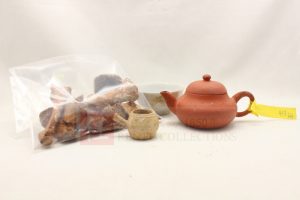
Even though this question is less important compared to the direct correlation between the invention of the legendary Small Meng Chen Zhuni Pot by Hui Meng chen and Gong Fu Tea or the more important archaeological proofs to indicate when Gong Fu Tea began, the ownership of this Pot No:387 can shed light on many aspects or areas of Yixing teapot and its history. For example we now know Pot No:387 belonged to a Fujian(sex not determined) because the grave where Pot No:387 was found belonged to a Fujian family burial ground of several generations where the owner’s grave of Pot No:387 was flanked left and right by Middle to Late Qing graves of family members or relatives and the top of grave of Pot No:387 lies the Late Kangxi Fujian grave of Pot No:386, all of whom originated from Fujian according to the gravestone epitaphs. We know the questions you are going to ask like for examples: the Pot No:387 does not have other Gong Fu tea wares so was the Pot meant for drinking tea directly by the owner?, or was the Zhuni Pot made in a private kiln as mentioned earlier in his account by the British museum curator Soame Jenyns and if made in a private kiln, was it made in Jingdezhen or Fujian, the only two possible places?, or did Hui Meng Chen made his Small Zhuni Pot to suit the times like for instance the purpose of a small Zhuni Pot in times of wars and when the tea drinker was always on the moves was to be able to make quick, fresh high quality tea and brewed in an aesthetically beautiful small jade-like Zhuni Pot. What’s more we have archaeological proofs of three kinds of tea drinkers in the Early Qing period especially in the Transition Period, where in the first type tea was drank directly from small Zhuni Pots, in the second type Gong Fu Tea was made at home and in the third type Gong Fu Tea was made with small portable Gong Fu tea wares while traveling whether in times of wars or in normal circumstances like on a business trip.
(Note: the gravestone epitaph of Pot No:386 and other family gravestone epitaphs will be shown to all the visiting professors, scholars, historians and even PHD researchers during the exclusive exhibition in due time).
The next few discoveries among lots of other untold discoveries we made, we find are very interesting to share with you like for examples 1) The big influence Shi DaBin’s High Lantern-shaped Zisha Pot had on Hui Meng Chen’s, Chen Ming Yuan’s and Hui YiGong’s works, 2) Hui Meng Chen’s ordinary handwriting, 3) The Hui Meng Chen’s phenomenon 4) The mirror-like similarities of Hui Meng Chen and Hui Yi Gong’s works, 5) Pot No:387 confirms one of Hui Meng Chen’s very early works was the Tianqi 7th year reign Zisha Pot in the Victoria and Albert Museum and Zhou Gao Qi was not wrong in omitting Hui Meng Chen’s name from his book because he did not see the legendary Small Meng Chen Zhuni Pot before he wrote the book, “An Account of YangXian Teapots”, 6) Zhuni Pots were almost definitely made in Jingdezhen together with the other Gong Fu tea wares like porcelain dishes and teacups, 7) Hui Meng Chen’s invention of the revolutionary Small Zhuni Pot we know inspired Gong Fu Tea and possibly also influenced an unique practice or tea cultural habit of brewing and drinking tea directly from the Small Zhuni Pot because only the special small Zhuni Pot is portable and can make quick, fresh high quality tea, 8) The Shunzhi Meng Chen Zhuni Pot No:387 and the Tianqi 7th year reign Hui Meng Chen Pot in the Victoria and Albert Museum, proved that Hui Meng Chen must be born in Late Wanli reign, made his first Pots in his twenties and made his first revolutionary Small Zhuni Pot in his forties or fifties and finally fathered a son named Hui Yi Gong in his fifties or sixties in early Kangxi and died in Late Kangxi when his son Hui Yi Gong’s works started to bloom and mostly mirrored works by his father Hui Meng Chen, who left a name and legacy that survived until today: that is the Small Meng Chen Zhuni Hu and Gong Fu Tea which his work inspired, 9) The correlation between Zhuni Hu and Santoh Zhuni Pot or the influence of Zhuni Pot on Santoh Zhuni Hu. 10) Hui Meng Chen practiced Cha Dao and his philosophy of benevolence and humility were translated into his work. We shall briefly go through them.
- As you all already know( if you are following our postings otherwise please check our postings) a little-known Singaporean Zisha Hu scholar with a sharp, observant eyes and brain offered us a great insight into the Theory of the Evolution of the Shi DaBin High Lantern-shaped Zisha Pot dated the 35th year of Wanli reign AD1607 (John Ng’s work is found in the Singapore National Library by the way). In his theory, he cleverly and truthfully found the common influence of Shi DaBin’s Lantern-shaped Pot on many Old Master and Old Famous Potters’s work including even the contemporary Master Potters. And John Ng’s insight is based on solid truth found in archaeological excavations and a documented proof in London’s Victoria and Albert Museum. Now in Ren Fu Collection’s Pre-Daoguang archaeological trove, there are a lot of mostly Lantern-shaped Zhuni Pots almost all with Meng Chen and Yi Gong’s names on them. Except for the only genuine Early Kangxi Chen Ming Yuan High Lantern-shaped Pot(Pot No:249) and a few other famous Potters’, these Lantern-shaped Pots come in three Lantern shapes, namely, the High Lantern, the Middle Lantern and the Low Lantern. In fact most of Hui Meng Chen and to a lesser degree Hui Yi Gong’s Pots are Lantern-shaped Pots. And as usual we hope PHD researchers of universities and other institution of learning can lend a hand with their superior and better trained expertise on this subject based on Ren Fu Collection’s archaeological trove.
- Some people said, “ Ren Fu Collection’s Yixing Pot No:438 or 587 must likely be the real Hui Meng Chen because the Pots have excellent calligraphies and so must be Hui Meng Chen’s handwritings. Wrong! Just because a handwriting is excellent it must belonged to an Old Master Potter and just because a handwriting is ordinary, it should not belonged to an Old Master Potter is a very wrong presumption not based on truth. In fact, Ren Fu Collection’s Pot No’s:438 and 587 are old copies of Hui Meng Chen’s Pots. It is just like if Gu Zing Zhou made a copy of a Shi DaBin Pot( with better workmanship and better calligraphy) and signed with Shi DaBin’s name, we cannot judge and presume the Pot is a genuine Shi DaBin Pot because that is a copy or a fake Shi DaBin Pot. Hui Meng Chen had an ordinary handwriting and is proven by his early work, the Tianqi 7th year reign Zisha Pot in the Victoria and Albert Museum and Ren Fu Collection’s Shunzhi Pot No:387. Even the genuine Yongzheng Pan-Hu( Ren Fu Collection Pot No:683 has an ordinary handwriting.
- The Hui Meng Chen phenomenon: which is the constant discovery of Zisha or Zhuni Pots with the Meng Chen name everywhere, in Ren Fu Collection’s excavated Gong Fu tea wares( or even in non-Gong Fu tea wares) or in unearthed Pots or in sea-salvaged Pots, was not fully understood until now. Now we fully understand why Hui Meng Chen was a phenomenon. No Potters in history, old famous or old masters or even contemporary Potters, shared/shares the great fame and popularity that Hui Meng Chen enjoyed. In fact, Hui Meng Chen was so famous and popular( even until today) that 50% of all Ren Fu Collection’s excavated Pre-Daoguang Yixing teapots are Meng Chen Pots( not to mention Santoh Zhuni Pots which also contained the most Meng Chen copies). There was no Hui Meng Chen phenomenon between his early work, the Tianqi 7th year reign Zisha Pot, and his late work, the Shunzhi Small Zhuni Pot, but only after early Kangxi when Gong Fu Tea appeared or began which indicated the importance the Hui Meng Chen Small Zhuni Pot played in Gong Fu Tea.
- The mirror-like similarities of Hui Meng Chen and Hui Yi Gong’s works implied that their relationship was the closest that any relationship could ever be. And that can only be a father and son relationship. Unless it was a super loyal and super obedient student whom we have ruled out based on the timelines of Hui Meng Chen and Hui Yi Gong( Hui Meng Chen was probably dead when Hui Yi Gong started to bloom and got famous in Late Kangxi and Yongzheng) and based on Hui Yi Gong’s works which did not give any impression Hui Meng Chen was his master or teacher( every student always tried to improve or be better than his master and not conform to faithfully imitate his/her master unless the master was his father).
- Pot No:387 confirms the Tianqi 7th year reign Zisha Pot was Hui Meng Chen’s early work and Zhou Gao Qi was not wrong in omitting Hui Meng Chen’s name from his book because he did not see the legendary Small Meng Chen Zhuni Pot before he wrote, “ An Account of YangXian Teapots”.
- Archaeological excavations of Shushan discovered no Zhuni Pots in the sites of old Dragon kilns which means Zhuni Pots were not made in Yixing and the only one place almost definitely where Zhuni Pots were produced was Jingdezhen which is very near Wuyi mountains where Wuyi tea which we have proven was part of Gong Fu Tea which the Fujian invented.
- Yes, tea drinkers in Pre-Daoguang used the Small Zhuni Pots usually the Small Meng Chen Zhuni Pot, for brewing and drinking tea due to the fact that the Small Zhuni Pot was found to be portable, handy and suitable for itinerant tea drinkers in a rush to make fresh, high quality tea with or without Gong Fu tea wares.
- The Shunzhi Meng Chen Zhuni Pot No:387 and the Tianqi 7th year reign Hui Meng Chen Zisha Pot in the Victoria and Albert Museum, proved that Hui Meng Chen must be born in Late Wanli reign, made his first pots in his twenties in Tianqi’s reign and made his revolutionary Shunzhi Small Zhuni Pots in his forties and fifties and finally faltered a son named Hui Yi Gong in his fifties or sixties in early Kangxi and died in Late Kangxi when his son Hui Yi Gong’s works started to bloom and whose works mostly faithfully mirrored his father’s works who left a name and legacy that survived until today: the legendary Small Meng Chen Zhuni Pot and the Gong Fu Tea that his Small Zhuni Pot inspired.
- Santoh Zhuni Hu appeared in Yongzheng when the popularity of Meng Chen Zhuni Pots were starting to peak in Qian Long( you can also say Qian Long reign was the Golden Age of Meng Chen Zhuni Pots as well as Zhuni Pots in general) and the best quality Santoh Zhuni Pots were found in Qian Long’s reign suggesting that Zhuni Pots especially the small Meng Chen Zhuni Pots had a correlation with Santoh Zhuni Pots. The reason was Zhuni Pots were made in nearby Jingdezhen( or less possibly neighboring Fujian) and the birthplace of Gong Fu Tea was Zhangzhou, Fujian (old name Longxi) and Chaoshan where Santoh Zhuni Hus were made is only next to Zhangzhou in the East. The very close proximity between Zhangzhou and Chaoshan explains why Gong Fu Tea culture was very strong in both areas making their Gong Fu Tea history very difficult to distinguish who started Gong Fu Tea without Ren Fu Collection’s huge archaeological trove of excavated Gong Fu tea wares.(see geographical chart of correlation between Meng Chen Zhuni Pot and Santoh Zhuni Pots). All these and bearing in mind our archaeological trove has proven that all if not almost all, Early Kangxi Zhuni Pots belonged to Fujian people and the later Santoh Zhuni Pots were mostly found in Guangdong people’s graves. Lastly but not the least, a question beg to be answered: was Santoh Zhuni Hus invented as a cheaper substitute for the very expensive Zhuni Pot or for some other reason.
- One of the greatest feat is not just to excavate thousands of tombs/ graves or finding the huge archaeological trove of Meng Chen Zhuni Pots or discovering the legendary Small Meng Chen Zhuni Pot influenced a lot of things, big and small, but making the hardest and rarest of discovery into an Old Master Potter, especially one who was the greatest and most popular of all times: what sort of person was Hui Meng Chen and what was his philosophical thinking or if you prefer, the Dao of Hui Meng Chen? It had caught our attention when sorting out so many, many Pre-Daoguang Meng Chen Zhuni Pots in the first One Thousand Pots that some Pots are trying to tell us something about what sort of person Hui Meng Chen was and what was he thinking philosophically. Yes, we have many Meng Chen Zhuni Pots which have poems pointing to the philosophical thinking or the Dao of Hui Meng Chen especially the earliest poem found in Hui Meng Chen’s legendary Small Zhuni Pot No:387 and in his son Hui Yi Gong’s works imitating his father and even a distant admirer and Old Famous Potter whose Yongzheng Pan-Hu indicated a deep respect for Hui Meng Chen’s person and philosophy.( see Pot No:387 and Pot No:683 in our book, “Saving Old Purple-sand Clay Teapots”)
And many, many more untold archaeological discoveries in Ren Fu Collection’s huge archaeological trove that we shall leave to the professors and researchers in universities to sort out later on.
惠孟臣和他传奇的小孟臣朱泥壶的发现,从灯上释放了许多新发现的精灵…………………………
我们通过聆听英国博物馆馆长 索姆.詹斯(Soame Jenyns )于 1955 年用一些话来讲述关于惠孟臣,传说中的小孟臣朱泥壶和功夫茶的最深刻和至关重要的论述,开始了这最后一部分。从他的工作发现中摘录(请注意,摘录中的古英语用语被编辑为现代英语):
“明朝灭亡与清朝兴盛之间的过渡时期,我将定义它,从 1620 年明朝第 14 位皇帝万历去世,1683年,清朝第二代皇帝康熙二十一年张应轩被任命为景德镇御瓷厂长。在这63年的动荡岁月里,景德镇发生的事情我们知之甚少;它的历史被明朝灭亡的朝代斗争和继其的清朝孕育的阵痛所掩盖。”
“在中国瓷器收藏家的心目中,17世纪与过渡、王朝更替、景德镇窑业的颓废以及最终于1683年重建并有效组织起来的皇家工厂的倒塌联系在一起”。
女士们,先生们,我们很高兴地说,关于过渡时期,我们所知甚少,这是我们的特长和专长,因为任富收藏有很多来自过渡时期的考古材料、数据和发现,以及过渡时期之后的很多、更多。大英博物馆一位著名馆长的上述陈述,不仅对景德镇瓷器的研究,而且对宜兴瓷器的研究都是深刻而深刻的。根据任富收藏的大量出土朱泥壶的考古珍品,在这一不透明的时期,紫砂壶之王朱泥壶是在这里创造或诞生的。在所有的意图和目的中,我们之前一直在讨论朱泥壶的原因、方式、地点、时间和内容,尽管在一个或两个案例中,仍然有一些尚未回答的问题,我们正在等待大学和其他学习机构中合格的博士研究人员的帮助,因此我们将不再进行讨论。我们现在为你们提供的是我们发现的更多事实,同时要记住,这些新发现严格符合在任富收藏的巨大考古宝藏中发现的真理所规定的参数范围内。(你会发现,我们的话语是原始的,没有虚假事实、虚假老壶和有组织的欺诈的影响,这些都污染了整个古代紫砂壶生态系统)。我们希望你们这些诚实的学习者能发现以下发现,有助于你们进一步理解目前关于惠孟臣,传说中的小孟臣泥壶和功夫茶的论述(因为除了任富收藏之外,世界上任何地方都无法获得如此有价值的考古事实或信息)。
387号壶原主是谁,死于顺治至崇祯晚期?(在书中我们将387号壶定为顺治,以免提及崇祯,因为晚明紫砂壶史学家周高启曾写过书《阳羡茗壶系》,虽然主人可能在崇祯最后几年就已经去世了,所以为了避免混淆,我们说顺治,和顺治到崇祯最后几年几乎是同一时间) 。
尽管这个问题比起传说中的惠孟臣发明的小孟臣竹泥壶与功夫茶之间的直接关联,或更重要的表明功夫茶开始时间的考古证据来说,并不重要,但这个壶的所有权No:387可以揭示宜兴茶壶及其历史的许多方面或领域。例如,我们现在知道387号壶属于福建人(性别未定),因为387号壶所在的坟墓属于福建家族的几代墓地,387号壶的主人墓位于左侧清中后期的家属或亲属坟墓和387号壶墓的顶部有386号壶康熙晚期福建坟墓,据墓志铭记载均为福建祖籍。我们知道您要问的问题,例如:387号壶没有其他工夫茶具,那壶是主人直接喝茶的吗?还是私人窑做的朱泥壶?早前大英博物馆馆长索姆·詹斯(Soame Jenyns)在他的叙述中提到,如果是私人窑炉,是景德镇还是福建这两个可能的地方?比如战争时期小朱泥壶的用途,当喝茶的人总是在移动时以便能够快速,新鲜地制作优质茶,并在美观的小玉壶中冲泡。更何况我们还有清初特别是过渡时期三种饮茶者的考古证明,第一类茶是直接从小朱泥壶中喝的,第二类是自家制茶。第三种功夫茶是在旅行时使用小型便携式功夫茶具制成的,无论是在战争时期还是在正常情况下(例如出差)。
(注:386号壶墓碑及其他家族墓碑墓志铭将在独家展览期间适时向所有访问教授、学者、历史学家甚至博士研究人员展示)。
接下来的几项发现,在众多未知的发现中,我们发现很有意思地与大家分享,例如: 1)时大彬的高灯笼紫砂壶对陈鸣远和惠逸公作品的巨大影响;2)惠孟臣的普通书法;3)惠孟臣现象;4)惠孟臣与惠逸公的作品的镜像相似性;5)壶号:387证实了陈鸣远的早期作品之一是维多利亚和阿尔伯特博物馆的天启七年紫砂壶和周高起在写《阳羡茗壶系》之前,没有看到传说中的小孟臣壶,所以在书中省略了惠孟臣的名字并没有错;6)朱泥壶几乎肯定是景德镇和其他工夫茶具如瓷盘和茶杯一起制作的,7)惠孟臣发明了革命性的小朱泥壶,我们知道这激发了工夫茶的灵感,也可能影响了一种独特的做法或茶文化习惯,即直接从小朱泥壶冲泡和饮用茶,因为只有特殊的小朱泥壶是便携式的,可以制作出快速、新鲜、优质的茶;8) 顺治惠孟臣朱泥壶 No:387 和维多利亚和阿尔伯特博物馆的天启七年惠孟臣朱泥壶,证明惠孟臣一定是万历晚期出生,二十多岁就制作了他的第一个壶,四五十岁制作了他的第一个革命性小朱泥壶,康熙初年五六十岁生子惠逸公,康熙末年病逝,儿子惠逸公的作品开始开花,多为父亲惠孟臣的镜像(影子),留下了留存的名声和遗产直到今天:那是他的作品启发的小孟臣朱泥壶和功夫茶;9)宜兴朱泥壶与汕头朱泥壶的相关性,或朱泥壶对汕头朱泥壶的影响;10) 惠孟臣修行茶道,将他的仁慈谦卑的理念转化为作品。我们将简要介绍一下。
1)大家都知道(如果您关注我们的帖子,请查看我们的帖子)一位鲜为人知的新加坡紫砂壶学者,目光犀利,通过他的眼睛和头脑敏锐,为我们提供了明代万历三十五年(公元1607年)对时大彬灯笼形紫砂壶进化论的深刻见解,( 顺便提一句,在新加坡国家图书馆发现了JOHN吴先生的作品)。在他的理论中,他巧妙而真实地发现了时大彬的灯笼壶对包括当代陶艺家在内的许多老大师和老名家的作品的共同影响。 John Ng 先生的洞察力基于考古发掘中发现的确凿事实以及伦敦维多利亚和阿尔伯特博物馆的书面证据。现在任富收藏的道光以前考古宝库中,有很多以灯笼形为主的朱泥壶,几乎都刻有孟臣和逸公的名字。除了正品康熙早期陈鸣远大灯壶(壶号:249)和少数著名陶艺家外,这些灯壶有高灯、中灯、低灯三种灯型。事实上,惠孟臣和惠逸公的茶壶大多是灯笼形的。和往常一样,我们希望大学和其他学习机构的博士和研究人员能够在任富收藏的考古宝库的基础上,利用他们在该主题上的卓越和训练有素的专业知识提供帮助。
2)有人说,“任富收藏的宜兴壶438号或587号,应该是真的惠孟臣,因为壶的工艺字迹极好,所以一定是惠孟臣的手迹。错误的!一个字迹优秀就一定是陶艺大师的,一个字迹普通就不应该是陶艺大师的,这是一个非常错误的假设,没有根据。事实上,任富收藏的壶号:438和587是惠孟臣紫砂壶的旧版。好比顾正舟临摹了一个时大彬壶(做工好,字迹书法好),和时大彬签了名字,我们不能因为这是一个临摹品或一个假冒的时大彬壶而判断和推定这把壶是真的时大彬款壶。惠孟臣的书法很普通,他的早期作品“维多利亚和阿尔伯特博物馆天启七年紫砂壶”和“任富收藏的顺治壶号387都证明了这一点”。就连真正的雍正潘壶(任富收藏壶号683)的书法也很普通。
3)惠孟臣现象:是指在任富收藏出土的工夫茶具(甚至非工夫茶具)或出土的壶中,随处可见以孟臣为名的紫砂壶或朱泥壶。在海打捞的壶中,直到现在才完全理解。现在我们完全明白为什么惠孟臣会是一个现象了。历史上没有任何陶艺家,无论是老名家还是老师傅,甚至是当代陶艺家,都没有分享惠孟臣所享有的巨大名声和知名度。事实上,惠孟臣非常有名和受欢迎(直到今天),任富收藏的所有出土的道光前宜兴茶壶中,有50%是孟臣朱泥壶(更不用说汕头朱泥壶,也是惠孟臣复制品最多的壶) 。早期作品“明代天启七年紫砂壶”和后期作品“清代顺治小朱泥壶之间”并无惠孟臣现象,但直到康熙初期功夫茶才出现或开始,可见惠孟臣的重要性,孟臣小朱泥壶在功夫茶中扮演同样重要。
4)惠孟臣和惠逸公作品的镜面相似性,暗示着他们的关系是任何关系中最亲密的。而那只 能是父子关系。除非是一个超级忠诚超级听话的学生,我们根据惠孟臣和惠逸公的时间线已经排除了(惠孟臣大概在惠逸公开始开花并在康熙末年成名时已经死了),并且基于惠逸公的作品,没有给人留下任何印象,惠孟臣是他的师父或老师(每个学生总是试图提高或比他的师父更好,而不是忠实地模仿他/她的师父,除非师父是他/她的父亲)。
5) 壶号:387 证实天启七年紫砂壶是惠孟臣的早期作品,周高起在书中省略了惠孟臣的名字并没有错,因为他之前没有看到传说中的小孟臣朱泥壶写有《阳羡茗壶系》。
6)宜兴蜀山考古发掘在老龙窑遗址中没有发现朱泥壶,这意味着朱泥壶不是宜兴制造的,唯一几乎可以肯定的朱泥壶产地是离武夷山很近的景德镇,那里有武夷茶产地。我们已经证明是福建人发明的功夫茶的一部分。
7) 是的,清代道光以前的饮茶者使用小朱泥壶,通常是小孟臣朱泥壶,用于泡茶和喝茶,因为小朱泥壶被发现携带方便,适合流动的饮茶者急于制作新鲜、优质的茶叶,无论有无工夫茶具。
8)维多利亚和阿尔伯特博物馆的明代天启七年惠孟臣紫砂壶和任富收藏清代顺治孟臣朱泥壶编号:387,证明惠孟臣一定是万历晚期出生,二十多岁就制作了他的第一把壶天启年紫砂壶,四五十岁顺治年革命性小朱泥壶,康熙初年五六十岁有一个儿子惠一公蹒跚而行,康熙末年去世,其子惠逸公的作品开始开花,其作品大部分忠实地反映了他父亲的作品,他留下了一个流传至今的名字和遗产:传说中的小孟臣朱泥壶和他的小朱泥壶启发的功夫茶。
9) 汕头朱泥壶出现在雍正时期,当时孟臣朱泥壶在乾隆时期开始达到顶峰(也可以说乾隆是孟臣朱泥壶的黄金时代,也就是一般的朱泥壶)。乾隆年间发现了品质最好的汕头朱泥壶,说明朱泥壶,尤其是小孟臣朱泥壶与汕头朱泥壶有关联。原因是朱泥壶是在附近的景德镇(或不太可能是邻近的福建)和发源地工夫茶是福建漳州(旧名龙溪)和汕头朱泥壶的产地潮汕,东邻漳州。漳州和潮汕之间的距离非常近,这解释了为什么这两个地区的功夫茶文化非常强大,这使得他们的功夫茶历史很难区分谁开始了功夫茶,而没有任富藏品的大量考古发掘的功夫茶器。(见孟臣朱泥壶与汕头朱泥壶相关地理图)。所有这些,牢记我们的考古宝藏已经证明,即使不是几乎所有,康熙早期的朱泥壶都属于福建人,而后来的汕头朱泥壶大多是在广东人的坟墓中发现的。最后但并非最不重要的一个问题是:汕头朱泥壶是作为非常昂贵的宜兴朱泥壶的更便宜的替代品而发明的,还是出于其他原因。
10) 最伟大的壮举之一不仅仅是挖掘了数千座坟墓,或者发现了巨大的孟臣朱泥壶古宝藏,或者发现了传说中的小孟臣朱泥壶,影响了很多大大小小的事情,而是使对陶艺老大师最难得的发现,尤其是那个时代最伟大、最受欢迎的人:惠孟臣是什么样的人,他的哲学思想是什么,或者如果你愿意,惠孟臣的道?在第一千壶中整理了这么多道光前的惠孟臣朱泥壶,引起了我们的注意,有些壶试图告诉我们惠孟臣是怎样的一个人,他的哲学思想是什么。是的,我们有很多孟臣朱泥壶,其中有诗指向惠孟臣的哲学思想或道义,尤其是在惠孟臣的传奇小朱泥壶387 号和他的儿子惠逸公模仿他的作品中发现的最早的诗句。雍正潘壶对惠孟臣的人格和哲学深表敬意。
而在任富收藏庞大的考古宝库中,还有很多很多不为人知的考古发现,留给高校的教授博士和研究人员去整理吧。