REN FU COLLECTION HAS ARCHAEOLOGICAL PROOFS THAT INDICATE GONG FU TEA HAD SPREAD AROUND THE WORLD ESPECIALLY TO EUROPE IN THE LATE 17TH TO 18TH CENTURY………………………………………
Globalization started long, long time ago. Some experts say two thousand years ago during the Han Dynasty it started in the form of the westward Silk Road. Later the Tang Dynasty and Song Dynasty saw the Silk Road became the land and maritime Silk Routes( now called the One Belt, One Road) culminating in the most famous Maritime Silk Route created, during Ming Emperor Yongle reign(1403-1425), by the famous Great Ming Admiral Zheng He and his huge fleet of treasure ships traversing sea lanes along Nanyang, the Indian subcontinent and Africa.( some experts like Gavin Menzies say some of the Ming fleets even went as far as the Americas and Europe). There are a lot of archaeological discoveries to support some of those claims besides documented proofs. The westward land Silk Route archaeological discoveries notwithstanding, there were many maritime archaeological discoveries like the most recent Tang shipwreck off Belitung Islands, the Wanli shipwreck, Desaru shipwreck, Tek Sing shipwreck, to name a few. And of course there are the thousands of still-standing or visible Ming and Qing tombs/graves, outside mainland China, almost all scattered around Nanyang( not to mention those thousands of tombs/graves which had been already demolished as a result of residential, commercial and industrial developments including those vulnerable old Chinese burial sites demolished due to the lack of legal protection against controversial local racist, anti-Chinese politics and sentiments) which lead some experts to aptly called South-East Asia or The Nanyang as the Chinese fondly call it, “ The Second China” or “ The Mirror of China’s Near Past” or even “ The Forgotten China”( forgotten in the sense that most experts do not give a second thought to the still existing or demolished Ming/ Qing tombs/graves caused by residential, commercial and industrial developments).
Fortunately all is not lost because from the 1970s to the 1990s there was an audacious and visionary rescue team called Ren Fu Collection who carried out rescue excavations of graves/tombs before they were demolished for residential, commercial and industrial developments in Nanyang countries. And the rest as they say is history.
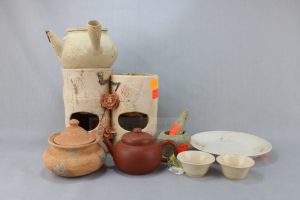
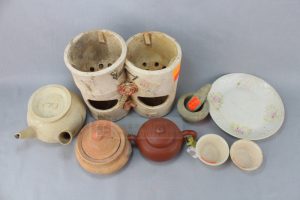
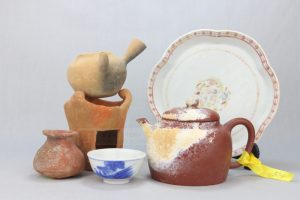
Talking about Ming and Qing graves, Ren Fu Collection had done thousands of excavations to rescue and save artefacts mostly in Nanyang countries and a few in Africa( like Kenya where some Ming tombs were found). But unlike the graves/ tombs of the Xia/Shang/Zhou or Han, Tang, Song, Yuan Dynasties; in the Late Ming to Middle Qing graves/tombs which we excavated, almost all our excavated stuffs were tea, teapots and tea wares[like teacups, dishes, burners(stoves) and water boilers(kettles)]. These were very fascinating, amazing and phenomenal, if you like, collective archaeological discoveries ever made by a rescue team where you find that virtually all the excavated personal treasures of every deceased were tea, teapots and tea wares.
任富收藏有考古证据表明,工夫茶在 17 世纪末至 18 世纪已传遍世界,尤其是欧洲…………………………………………
全球化在很久很久以前就开始了。 有专家说,2000多年前的汉代,丝绸之路以西进的形式开始。 后来的唐朝和宋朝见证了丝绸之路成为陆路和海上丝绸之路(现在称为“一带一路”),最终在明永乐年间(1403-1425 年)创造了最著名的海上丝绸之路,由著名的大明海军上将郑和和他庞大的宝船舰队穿越南洋、印度大陆和非洲的海上航线。 除了有据可查的证据外,还有许多考古发现可以支持其中的一些说法。 尽管有西陆丝绸之路的考古发现,但也有许多海上考古发现,例如最近在勿里洞群岛附近的唐沉船、万历沉船、迪沙鲁沉船、德胜沉船等等。 当然,在中国大陆之外,还有数千座尚存或可见的明清墓葬,几乎都散布在南洋周边(更不用说那些因居民住宅而被拆除的数千座坟墓, 商业和工业发展,包括由于缺乏针对有争议的当地种族主义、反华政治和情绪的法律保护而拆除的那些脆弱的旧中国墓地),这导致一些专家恰当地称呼东南亚或中国人亲切称呼的南洋, 它是“第二的中国”或“中国近代之镜”甚至“被遗忘的中国” 由住宅、商业和工业开发)。
幸运的是,一切都没有丢失,因为从 1970 年代到 90 年代,有一个大胆而有远见的救援队,名为任富收藏,他们在南洋国家为住宅、商业和工业发展而被拆除之前对坟墓进行了救援挖掘。 而其余的,正如他们所说,是历史。
说到明清墓葬,任富收藏已经进行了数千次的发掘,以抢救和保存文物,其中大部分是在南洋国家,在非洲也有少数(如肯尼亚,那里发现了一些明墓)。 但不同于夏/商/周或汉、唐、宋、元的墓葬; 在我们发掘的晚明至清代中期墓葬中,我们发掘的物品几乎都是茶叶、茶壶和茶具[如茶杯、盘子、炉(炉)和开水器(水壶)]。 这些是非常迷人、惊人和惊人的,如果你愿意的话,救援队曾经做出的集体考古发现,你会发现几乎所有被挖掘的每个死者的个人宝藏都是茶、茶壶和茶具。
Why were almost all(98% to be precise) of our excavated stuffs from Late Ming to Middle Qing graves/tombs, tea, teapots and tea wares?
Because firstly, it is a known fact that one of the great feat of the Great Ming Admiral Zheng He and his great armada was to help the spread of the culture of tea around the world( pg.79, Zheng He: Tracing the Epic Voyages of China’s Greatest Explorer by Michael Yamashita of National Geographic), and the Late Ming to the Middle Qing period witnessed the greatest renaissance in Chinese tea culture not seen at any other time in Chinese tea history or world tea history for that matter and the Chinese tea culture renaissance spread to near and far, from Japan and the Korean peninsula to Europe and the United States. This great Chinese tea culture renaissance was Gong Fu Tea, the formation and birth of which we now know and have archaeological proofs occurred in the Transition Period(1620-1683). And we now know too and have archaeological proofs, that Gong Fu Tea, was at that time an advance, new and elaborate tea preparing, tea making and tea drinking technique incorporating tea art, Cha Dao( and possibly tea ceremony) and that Gong Fu Tea was inspired by the invention of the Small Meng Chen Zhuni Pot in Shunzhi reign just before the birth of Gong Fu Tea in Early Kangxi, both of which happened in the Transition Period where both inventions were shrouded in secrecy due to civil wars and the official closure of Jingdezhen and other major kilns, an opaque period where nothing was documented, thus making any research impossible unless forthcoming archaeological discoveries can shed more light on important moments in Chinese tea culture development in the Transition Period. And yes there are forthcoming discoveries in Ren Fu Collection’s huge archaeological trove of Gong Fu tea wares.( The other only archaeologically excavated Gong Fu tea wares in the world was found in the Emperor Qian Long 23rd year reign(AD 1726) grave of Lan Gao Wei in Qianyuan Village, Chiling Town, Zhangpu County, Zhangzhou, Fujian, where we now know and have archaeological proofs was the birthplace and cradle of Gong Fu Tea).
So how do we know Gong Fu Tea had spread to Europe?
Simple, we, Ren Fu Collection, has archaeological proofs, and lots of them!
Silk was China’s first main export in ancient times and silk exports began to decline after the Tang Dynasty(608-907) as silk making techniques spread to central and Southern Asia and Europe. Then came porcelain and it’s popularity even surpassed that of silk in the latter times of Silk Road trade. Chinese porcelain was exported to Japan, the Korean Peninsula, South-East Asia, west and Central Asia, east and north Africa, and Europe. During the 17th century, porcelain was produced only in China. The secret ingredient, kaolin, and the process of high firing, was unknown to the rest of the world. Porcelain was prized for its strength, translucence, and it’s pure white color. It was during the Han Dynasty(206 BC to 220 AD) that the first kinds of brightly-colored porcelain were manufactured and sent westwards, and especially during the Tang(608-907) and
Yuan(1279-1368) eras, that fine porcelain pieces were produced in massive quantities and exported. The 17th and 18th centuries were the golden age of the export of Chinese porcelain. About 200,000 pieces were exported annually in the 17th century. In the 18th century, sales peaked at about a million units a year.
The “Porcelain Road”- 16th and 17th Century Trade Route by Sea-was the Route the West(Europe) got its tea, teapots and tea wares(porcelain teacups and dishes).
By the mid 18th century the primary export of China was tea and 90% of the exchange currency was in silver which put great economic pressure on Europe to start producing their porcelain tea wares in order to compete with China, while at the same time still buying export tea wares from China( read Gong Fu tea wares like Yixing teapots, teacups and dishes from China for those Europeans who could afford them)
Well, of course, you do not know what took place there and then in the 18th century in real life between Europe and China when Gong Fu Tea was concerned but Ren Fu Collection has archaeological materials that pointed to the fact that Europe was influenced by Gong Fu Tea and must have copied Gong Fu tea wares and created their own version of Gong Fu Tea.
为什么我们从晚明到清代中期的墓葬中出土的文物几乎都是(准确的说是98%)茶叶、茶壶、茶具?
因为首先,众所周知的事实是,大明提督郑和将军和他的伟大舰队的伟大壮举之一就是帮助茶文化在世界范围内传播(第 79 页,郑和:追寻史诗般的远航 国家地理的迈克尔·山下 (Michael Yamashita) 的《中国最伟大的探险家》)以及明末至中清时期见证了中国茶文化史上最伟大的复兴,这在中国茶史或世界茶史中从未见过,而中国茶 文化复兴传播到远近,从日本和朝鲜半岛到欧洲和美国。 这场伟大的中国茶文化复兴就是工夫茶,我们现在所知道并有考古证据的工夫茶的形成和诞生发生在过渡时期(1620-1683)。 而我们现在也知道并有考古证据,工夫茶在当时是一种先进的、新的、精心制作的茶叶、茶叶制作和茶饮技术,结合了茶艺、茶道(可能还有茶道)和工夫 茶的灵感来自顺治年间小孟臣朱泥壶的发明,刚好在康熙初年工夫茶诞生之前,两者都发生在过渡时期,由于内战和官方的原因,两项发明都处于保密状态 景德镇和其他主要窑炉的关闭,一个没有任何记录的不透明时期,因此除非即将到来的考古发现能够更多地揭示转型时期中国茶文化发展的重要时刻,否则任何研究都是不可能的。 是的,在任富收藏的巨大工夫茶具考古宝库中即将发现。(世界上唯一考古出土的工夫茶具是在乾隆皇帝二十三年(公元1726年)蓝国微墓中发现的 福建省漳州市漳浦县赤岭镇前园村魏,我们现在知道并有考古证明的地方是工夫茶的发源地和摇篮)。
那么我们怎么知道工夫茶传到了欧洲呢?
简单,我们任富收藏,有考古证据,而且很多!
丝绸是中国古代的第一大出口商品,唐代(608-907)以后,随着丝绸制作技术传到中南亚和欧洲,丝绸出口开始下降。 然后是瓷器,在丝绸之路贸易的后期,它的受欢迎程度甚至超过了丝绸。 中国瓷器出口到日本、朝鲜半岛、东南亚、西亚和中亚、东非和北非以及欧洲。 在 17 世纪,瓷器仅在中国生产。 秘密成分、高岭土和高温烧制过程不为世界其他地方所知。 瓷器因其强度、半透明性和纯白色而备受推崇。 汉代(公元前 206 年至公元 220 年)制造了第一批色彩鲜艳的瓷器并将其送往西方,尤其是在唐朝(608-907 年)和元(1279-1368)时代,精美的瓷器大量生产并出口。 17、18世纪是中国瓷器出口的黄金时代。 17 世纪每年出口约 200,000 件。 在 18 世纪,销量达到顶峰,约为每年 100 万台。
“瓷器之路”——16 世纪和 17 世纪的海上贸易路线——是西方(欧洲)获取茶叶、茶壶和茶具(陶瓷茶杯和餐具)的途径。
到 18 世纪中叶,中国的主要出口产品是茶叶,90% 的兑换货币是白银,这给欧洲带来了巨大的经济压力,他们开始生产瓷器茶具以与中国竞争,同时仍在购买 从中国出口茶具。
好吧,当然,你不知道在 18 世纪欧洲和中国之间的现实生活中发生了什么,当工夫茶被关注时,但任富收藏有考古材料指出欧洲受到工夫茶的影响 ,一定是复制了功夫茶具,创造了自己的功夫茶。
Why and how?
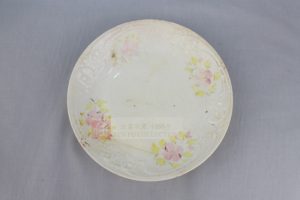
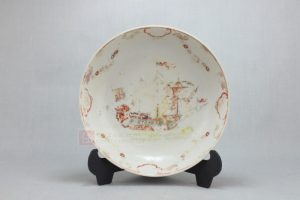
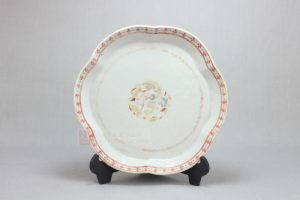
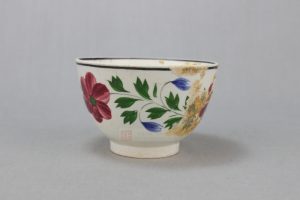
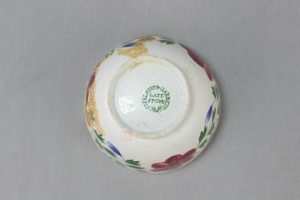
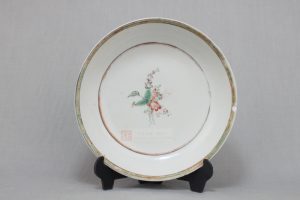
Because it was documented that Yixing teapots arrived in Europe with tea and then of course the European must have something to drink the tea with after making the tea in the Yixing teapot like the teacups and dishes( Chinese teacups without handle eventually segued into European teacups with handle and Chinese dishes morphed into smaller European saucers). Now we shall share with you our vast experience and knowledge by virtue of us having excavated thousands of graves/tombs in old Chinese burial sites that were targeted for demolition and take you on a journey into Ren Fu Collection’s huge archaeological trove of Gong Fu tea wares which is like transporting you through time to the moment of events that took place in the history of Gong Fu Tea. And behold, besides discovering, among countless archaeological discoveries, that the British made an error in the dating of their Late Spode Copeland and Garrett porcelain business partnership which is at least 9 years earlier than they claimed( before 1824 rather in 1833), we also found a lot of Chinese export ceramics tea wares suited for European market and vice versa, that is, European export porcelain tea wares made for the Chinese market( see pictures of European and Chinese export porcelain tea wares especially the Late Spode Copeland and Jarrett teacup without handle and big Late Spode Copeland and Jarrett dish made for the Chinese taste). And Ren Fu Collection’s huge archaeological trove of Gong Fu tea wares which were excavated from the Nanyang, a region with historical global trading hubs like Malacca, Semarang or Palembang where the West and East met and manly traded at that time, provided the best pictures of what went on between Europe and China as far as Gong Fu Tea was concerned because in the opaque Transition Period(1620-1683) including the period when China was forbidden to trade with foreigners, private or clandestine trades between Chinese and foreign traders still went on especially in the Nanyang which was “nearby but far away enough trading place” from Chinese jurisdiction, or if you prefer, the perfect spot for clandestine Chinese international trade, mainly helped by the fact that Nanyang had the largest Chinese immigrant community.(see Message from the Malaysian Ambassador to the United States in Ren Fu Collection’s book: Saving Old Purple-Sand Clay Teapots).
Yes, one would have imagined that in global trading, not only were goods bought and sold but there were also exchanges of ideas, knowledge, cultures, arts, inventions, and so on, which means European potters must have known about Gong Fu Tea in order to copy or produce competitive version of Gong Fu tea wares for their own domestic and also foreign markets especially one as demanding as the Chinese market( in mainland China and in the Nanyang where the largest Chinese immigrant community outside China was found). The cross or reverse use of Gong Fu tea wares, between Chinese and European tea drinkers, found in Ren Fu Collection’s excavated Pre-Daoguang Gong Fu tea wares proved our point without any doubt that Gong Fu Tea had spread to Europe.
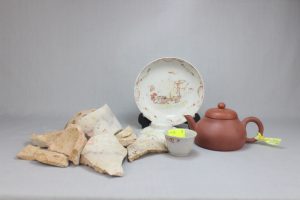
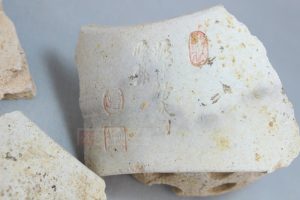
To end this story by letting you know how much more of Ren Fu Collection’s archaeological secrets still remain undiscovered, we further give you a little bit more information about the Late Spode Copeland and Jarrett teacup made by the British for the Chinese market which is that not only is the British wrong on the dating of the business partnership but we found out the British copied from the Dutch teacup design and shape( see pictures of British Late Spode Copeland and Garrett teacup and broken Dutch teacup) because the British teacup was excavated from a Daoguang grave( 1821-1850) and the Dutch teacup was excavated from a Qian Long grave(1736-1795).
And before you go, just to let you-all our online followers and potentially the colossal tea-producing, tea-making and tea-drinking world, most of whose very existence today we now know and have archaeological proofs, was due to the advent of this great Chinese tea culture renaissance, an advance, sophisticated and matured form of tea making and tea drinking in Early Qing China called Gong Fu Tea, a renaissance which helped to spread Gong Fu Tea around the world and established tea as the number one and most drank beverage in the world- we, Ren Fu Collection will endeavor to engage the best research minds on the subjects of old Gong Fu Tea and old Yixing teapots to help make more inroads or new discoveries in Ren Fu Collection’s huge archaeological trove especially one of which is the question of whether Gong Fu Tea was also a tea ceremony on top of being a tea art and Cha Dao, both of which we have abundant archaeological proofs.
So today we leave you with a lovely thought that tea drinkers all over the world whether of English tea in the United Kingdom or the Teh Tarik in Malaysia and Singapore or Black tea in Russia or Darjeeling tea in India or Shay tea in Arab countries or Sencha tea in Japan, they all have to thank the Chinese tea culture renaissance that began in Early Kangxi called Gong Fu Tea.
为什么以及如何?
因为据记载,宜兴茶壶是随茶传到欧洲的,当然,欧洲人在用宜兴茶壶泡茶后,当然必须有喝茶的东西,比如茶杯和盘子(中国没有把手的茶杯最终变成了有把手的欧洲茶杯) 把手和中国盘变成了更小的欧洲碟子。 现在,我们将与您分享我们在中国古墓中挖掘了数千座被拆除的墓葬的丰富经验和知识,并带您进入任富收藏巨大的工夫茶具考古宝库 这就像将您穿越时空,回到工夫茶历史上发生的事件的那一刻。 看哪,除了在无数的考古发现中发现英国人在他们的 Late Spode Copeland 和 Jarrett 瓷器商业伙伴关系的年代上有错误,比他们声称的至少早了 9 年(1824 年之前而不是 1833 年),我们还 发现很多适合欧洲市场的中国出口陶瓷茶具,反之亦然,即为中国市场制造的欧洲出口陶瓷茶具(参见欧洲和中国出口瓷茶具的图片,特别是 Late Spode Copeland 和 Jarrett 茶杯没有 把手和大的 Late Spode Copeland 和 Jarrett 菜为中国人的口味)。 而任富收藏的巨大工夫茶具考古宝库是从南洋发掘的,南洋是一个历史悠久的全球贸易中心,如马六甲、三宝垄或巨港,当时西方和东方在这里相遇并进行贸易,提供了最好的照片,就工夫茶而言,欧洲和中国之间发生了什么,因为在不透明的过渡时期(1620-1683),包括中国被禁止与外国人进行贸易的时期,中国和外国商人之间的私人或秘密贸易仍在继续 尤其是在南洋,它是中国管辖范围内“近而远的贸易场所”,或者如果你愿意的话,它是秘密中国国际贸易的完美地点,主要是因为南洋拥有最大的中国移民社区。(见消息马来西亚驻美国大使在任富收藏的出版书:《拯救老紫砂泥茶壶》)。
是的,人们会想象,在全球贸易中,不仅有商品的买卖,还有思想、知识、文化、艺术、发明等的交流,这意味着欧洲的陶艺家一定知道工夫茶在 为了复制或生产具有竞争力的功夫茶具版本,以满足他们自己的国内和国外市场,尤其是像中国市场(在中国大陆和南洋,那里发现了中国以外最大的华人移民社区)。 任富收藏出土的道光以前工夫茶器中发现的中国和欧洲饮茶者对工夫茶器的交叉或反向使用,无疑证明了工夫茶已经传到欧洲的观点。
为了让您知道任富收藏还有多少考古秘密未被发现来结束这个故事,我们进一步为您提供更多有关英国为中国市场制造的 Late Spode Copeland 和 Jarrett 茶杯的信息,这不是 唯一的错误是英国人对商业伙伴关系的约会,但我们发现英国人复制了荷兰茶杯的设计和形状(见英国晚期 Spode Copeland 和 Jarrett 茶杯以及破碎的荷兰茶杯的图片),因为英国茶杯是从一个 道光墓(1821-1850)和荷兰茶杯出土自乾隆墓(1736-1795)。
在你走之前,让你——我们所有的在线追随者,以及潜在的巨大的茶叶生产、制茶和饮茶世界,我们现在知道并拥有考古证据,其中大部分的存在是由于出现 这场伟大的中国茶文化复兴,一种先进而复杂的制茶和饮茶形式,在清初中国被称为工夫茶,这一复兴有助于在世界范围内传播工夫茶,并将茶确立为第一和最重要的 在世界上喝饮料-我们,任富收藏将努力聘请最优秀的研究人员对老工夫茶和老宜兴茶壶的主题进行研究,以帮助在任富收藏的庞大考古宝库中取得更多进展或新发现,尤其是其中之一 问题是工夫茶除了是一种茶艺和茶道之外,是否也是一种茶道,这两者我们都有丰富的考古证据。
因此,今天我们留给大家一个可爱的想法,世界各地的饮茶者,无论是英国的英式茶,还是马来西亚和新加坡的Teh Tarik,还是俄罗斯的红茶,印度的大吉岭茶,阿拉伯国家的沙耶茶,日本的煎茶,他们都要感谢始于康熙初期的中国茶文化复兴,即功夫茶。