General Knowledge, Learning

PRE-DAOGUANG GONG FU TEA WARES………………………………

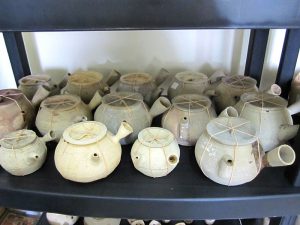
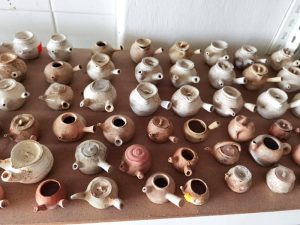
Notice: We do not need you good people to put Likes on Ren Fu Collection’s Facebook postings or praise Ren Fu Collection’s postings in the China on-line Blogs. We need you to tell more good people who do not know about Ren Fu Collection’s battle to save Old Zisha Hus to come and support us. This is the only way we are going to save Old Zisha Hus by action by using “People’s Power” because Old Zisha Hu is facing an existential threat due to increasing fake facts, fake stories and organized frauds. Organized fraudsters are especially a big threat to the survival of Old Zisha Hu like a supporter of Ren Fu Collection recently warned in his post that Ma Wei Du is now dealing in Fake Zisha Hus because he was taught by organized fraudsters that Fake Pots are genuine Old Pots and Ma Wei Du cannot see Old Zisha Pots. This good informer also warned in no uncertain terms that with big names like Ma Wei Du dealing in Fake Zisha Pots like the organized fraudsters, what hope is there for Old Zisha Hus?, Old Zisha Hu is finished and doomed to destruction unless a strong and trusted name can rise up to save Old Zisha Hus.And you good people know that that strong and trusted name: yes, Ren Fu Collection. On another subject, we are sorry we stop selling Pots for three years because of the Covet-19 but we are happy to inform you buyers who keep asking about our Pots for sale, that we are opened for business again and you can resume buying from us.Please when you buy ask for Ren Fu Collection’s new Certificate of Authenticity which will prove your Pots were bought from Ren Fu Collection and therwefore are 100% genuine old. What is more every Pot Number in the Certificate is linked to archaeological records kept in Ren Fu Collection. They are for study and research and for buyers who want to know the original owner, owner’s details and history of the Pot in question. Please keep the Certificate of Authenticity because it is the only one in the world that provides archaeological details. It is one way to fight Fake Zisha Hus because they do not have any proven documentation or archaeological records.   注意:我们不需要各位好人在任富收藏的Facebook帖子上点赞或在中国在线博客中为任富收藏的帖子点赞。我们需要您告诉更多不知道任富收藏拯救老紫砂壶的好人来支持我们。这是我们要通过“人民的力量”以行动拯救老紫砂壶的唯一途径,因为由于虚假事实、虚假故事和有组织的欺诈行为的增加,老紫砂壶正面临着生存威胁。有组织的骗子对老紫砂壶的生存威胁尤其大,就像任富收藏的支持者最近在他的帖子中警告说,马未都收藏家现在正在网上讲座假紫砂壶,因为有组织的骗子告诉他假壶是真正的老壶和马未都先生看不到老紫砂壶。这位好的告密者也毫不含糊地告诫说,像有组织的骗子一样,像马未都这样的大牌在经营假紫砂壶,老紫砂壶还有什么希望呢?信得过的名字能升起来救老紫砂壶,你们好人都知道那个强大可信的名牌:是的,任富收藏。 在另一个问题上,我们很抱歉因为 Covet-19 我们停止销售壶三年,但我们很高兴地通知您一直询问我们待售 壶的买家,我们再次营业,您可以继续从我们这里购买时,请索取任富收藏的新的真品证书,这将证明您的老壶是从任富收藏购买的,因此是 100% 正品旧的。更重要的是,证书上的每个壶号都与任富收藏中的考古记录挂钩。它们用于学习和研究,以及想要了解原主人、主人的详细信息和相关壶的历史的买家。请保留真品证书,因为它是世界上唯一提供考古细节的证书。这是打击假紫砂壶的一种方法,因为他们没有任何经过证实的文件或考古记录。   PRE-DAOGUANG GONG FU TEA WARES……………………………………………………………… In 1990, in QianYuan Village, Chiling Town, ZhangPu County, Fujian Province, the grave of Lan Gui Wei, who died on the 23rd Year of Emperor Qian Long’s reign, was excavated. In the grave, among other relics of the past, were found a set of Gong Fu tea wares comprising a small Ming Yuan Zhuni Pot, four Roushen teacups and a dish( only the other Gong Fu tea wares like water boiler and burner are missing but the metal tea caddy is not considered part of the Gong Fu tea wares). Never mind what the experts believe that the Pot was actually made in Yongzheng 4th year reign, this Gong Fu tea wares were the first and only archaeologically excavated Gong Fu tea wares in the world before the advent of Ren Fu Collection’s huge archaeological trove. The only archaeologically excavated Gong Fu tea wares in the world, even though grossly insufficient, was the most precious for study and research on Gong Fu Tea based on true and accurate facts but now help is at hand which makes that lonely archaeological discovery in mainland China just a drop in the ocean as compared to Ren Fu Collection’s huge archaeological trove.(the 3913 excavated Pots mostly with Gong Fu tea wares) Due to the huge ‘Gong Fu Tea’ archaeological trove and the lack of professional experience on the part of Tony Ren, we intend to enlist the help of the professors and scholars in universities and national Chinese tea culture research units whom we are sending 100 books to, each book together with a note about saving Old Zisha Hus. Therefore due to the fact that the huge ‘Gong FuTea’ archaeological trove is too big for one person like Tony Ren to do by himself, which will be incomplete and unsatisfactory by professional standards, and until professional helps come, we will just briefly go through Ren Fu Collection’s excavated Gong Fu tea wares with archaeological records in the first One Thousand Pots.(1190 Pots: 705 Zisha Pots and 485 Santoh Zhuni Pots) which are more than enough to prove our archaeological discoveries. According to Ren Fu Collection’s simple study and observations, the  rules for excavated Gong Fu tea wares, for all intent and purposes, followed some simple patterns. Firstly, Pot was at the top of the Gong Fu tea wares chain or the most important if you prefer. It had to be a Zhuni Pot for the wealthy, influential and powerful(like for example Guangren) as a rule but there were exceptions or on a lower social status, it could be an ordinary Zisha Pot or Santoh Zhuni Pot(Gong Fu tea wares with ceramic teapot were the exception rather than the rule). Secondly, the next most important Gong Fu tea wares were the Roushen teacups. These two, Zhuni Pot and Roushen teacups, were mandatory status symbols of the wealthy and influential Chinese people in Pre-Daoguang times with some even practicing not just Gong Fu tea art but Cha Dao too as proven by the poems and calligraphies on beautiful Gaiwans and/or big burners. One can imagine if we travelled  back in time to a  Pre-Daoguang everyday scene where guests were invited to a Chinese home and tea was served. The guests could not see the best tea  but could only taste it after the tea leaves were brewed in a Zhuni Pot and served in the Roushen teacups. The small Zhuni Pot and small Roushen teacups are the reasons tea tasted the best including the best aroma and color, so that fine quality tea can be appreciated. However, the host could showed off the best Pot and teacups which could be easily seen by the guests immediately upon arrival and some hosts even had exquisite Gong Fu tea set for display and not for use, like big burner or Gaiwan inscribed with Cha Dao poems or calligraphies.(see excavated Gaiwan and burners with Cha Dao poems) Two very interesting areas for exploration, among the vast expanse of Ren Fu Collection’s huge archaeological  trove that needed study and research is to determine whether there were two Gong Fu tea cultures: a Fujian Gong Fu tea that started in Early Kangxi and peaked in Qian Long, and a Chao Zhou Gong Fu tea that started in Early Qian Long and peaked in Daoguang , the former using Zhuni Pot and the latter using Santoh Zhuni Pot, and also whether women created Gong Fu Tea instead of men. Bearing in mind further professional study and research are needed and a lot of hidden and valuable archaeological information are waiting to be discovered, here is a glimpse into a small part of Ren Fu Collection’s excavated Gong Fu tea wares belonging to Ren Fu Collection’s first One Thousand Pots(we only show a little portion of our “1st One Thousand Pots” archaeological trove to prevent the fraudulent use of Ren Fu Collection’s archaeological material and data))  which we hope to hand over to the study and research units of the Chinese tea culture in China and the rest of the world, together with those of the second and third One Thousand Pots:  
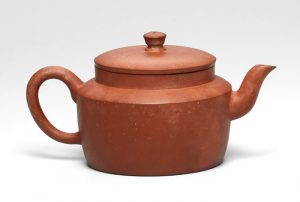
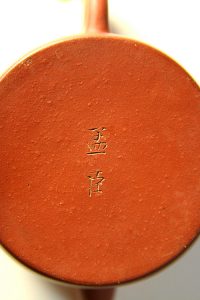
  • Pre-Daoguang Gong Fu Tea Zhuni Pots
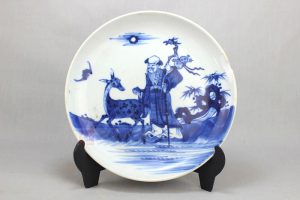
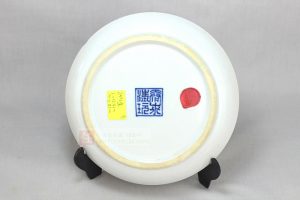
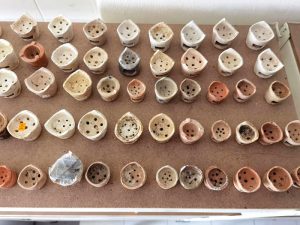
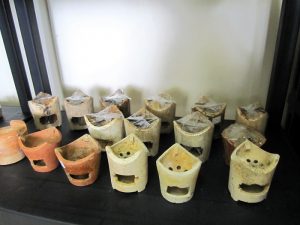
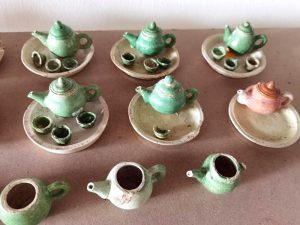
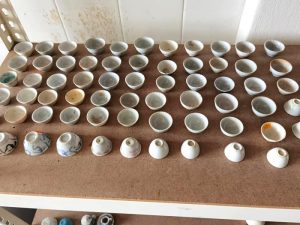
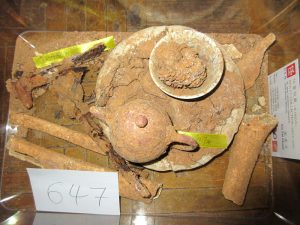
Most Pre-Daoguang Yixing teapots from Daoguang to Kangxi reign are Gong Fu tea wares of which Zhuni Pots are the most popular and Zhuni Pots outnumbered other Zisha Pots by roughly the ratio of 15 to 1. Most of the Gong Fu Zhuni Pots are  Meng Chen Zhuni Pots and Meng Chen Zhuni Pots outnumbered the nearest rival Yi Gong Zhuni Pots by 352 to 28. You can say Pre-Daoguang Gong Fu Tea especially in Early Qing period was about the small Meng Chen Zhuni Pot more than anything else as proven by Ren Fu Collection’s archaeological trove. We do not know or have any proofs of any Zhuni Pots let alone Meng Chen Zhuni Pots, appearing in Europe in the 17th century even though it was recorded that tea was first brought into Europe in 1610 but only in the second quarter of the 17th century(1626) that teacups and Zisha teapots were mentioned in records.( One wonders how did the Europeans drink tea, from 1610 to 1626, without teapot and teacups? One option was to boil the tea leaves, then throw away the water  and finally eat the tea leaves like eating boiled vegetables which the Europeans like to do. But it did not happen, why?). Whether there were Zhuni Pots among the Gong Fu tea set (of Yixing teapot and teacups) imported into Europe will depend on further research and study of old documents or/and Old Zhuni Pots that survived in Europe until today. Anyhow, the earliest it can be must be theoretically in Early Kangxii when Gong Fu tea started but in practice, most probably in Late Kangxi when Meng Chen Zhuni copies or Zhuni Pots started to appear in bigger numbers bearing in mind there were no Zhuni Pots in Shunzhi other than the small Zhuni Pots that Hui Meng Chen invented.   道光以前的工夫茶具…………………………………………………………………… 1990年,福建省漳浦县赤岭镇干源村发掘了乾隆二十三年逝世的蓝国威的墓。墓中出土了一套工夫茶具,包括一个小鸣远款朱泥壶、四个若深茶杯和一个盘子(仅缺少其他工夫茶具如烧水器和炉子,但金属茶罐不属于工夫茶具)。别管专家推算认为这把壶实际上是雍正四年制作的,这件工夫茶具是任富收藏巨大考古宝藏出现之前世界上第一个也是唯一一个考古发掘出来的工夫茶具。世界上唯一考古出土的工夫茶器,虽然严重不足,却是最珍贵的工夫茶学习和研究基于真实和准确的事实,但现在帮助近在咫尺,使中国大陆孤独的考古发现与任富收藏的藏品庞大的考古宝库相比,只是沧海一粟(出土的3913个壶,多为工夫茶具)。 鉴于“功夫茶”考古宝藏庞大,任汤尼缺乏专业经验,拟向高校教授学者和国家级中国茶文化研究单位寻求帮助,送书100册到,每本书都附有一条关于拯救老紫砂壶的说明。因此,由于庞大的“功夫茶”考古宝库对于任汤尼先生这样一个人来说太大了,以专业的标准来看是不完整的,不能令人满意,等到专业的帮助到来之前,我们就简单介绍一下任富收藏出土的工夫茶具在第一千壶中有考古记录。(1190套壶:紫砂壶705把,汕头朱泥壶485把壶)足以证明我们的考古发现。 根据任富收藏的简单研究和观察,出土工夫茶具的规律,无论出于何种意图和目的,都遵循着一些简单的规律。首先,茶壶在功夫茶器链的顶端,或者如果你愿意的话,是最重要的。一般是有钱有势的人(比如达官贵人)的朱泥壶陶瓷茶壶是例外而不是规律的。其次,接下来最重要的工夫茶具是若深茶杯。朱泥壶和若深茶杯这两个茶杯是道光前中国有钱有势的中国人民的强制性身份象征,有些人甚至不仅练习功夫茶艺,而且还练习茶道,这一点从美丽的盖碗诗和书法中可以看出, 或大燃烧器(风炉)。 可以想象,如果我们时光倒流回到道光前的日常生活场景,客人被邀请到中国家庭并端上茶水。客人们看不到最好的茶,只能等茶叶在朱泥壶中冲泡后,放入若深茶杯中品尝。小朱泥壶、小若深杯茶杯,是茶香最好、色最好的原因,才能品出好茶。不过,主人会展示最好的壶和茶杯,客人一到就可以很容易地看到,有些主人甚至有精美的功夫茶具供展示而不是使用,比如大炉子或刻有茶道诗句的盖碗,或书法。(见出土的盖​​碗和带有茶道诗的燃烧器)   两个非常有趣的探索领域,在任富收藏浩瀚的考古宝库中,需要学习和研究的是,确定是否存在两种工夫茶文化:一种始于康熙初期、巅峰于乾隆的福建工夫茶。 ,以及从乾隆初年开始,在道光达到顶峰的潮州工夫茶,前者用朱泥壶,后者用汕头朱泥壶,以及女性是否代替男性创造了工夫茶。 铭记需要进一步的专业研究和发现,许多隐藏而有价值的考古信息有待发现,这里是任富收藏的一小部分出土的工夫茶具,属于任富收藏的第一千件壶(我们只展示了我们“第一千壶”考古宝藏中的一小部分,以防止有人冒用任富收藏的考古资料),希望交给中国茶文化研究和研究单位在中国和世界其他的国家,这是世界的财富,连同第二千和第三千套功夫茶具:     1) 道光工夫前茶壶 道光至康熙年间,道光之前的宜兴茶壶大多是工夫茶具,其中朱泥壶最受欢迎,朱泥壶的数量大约比其他紫砂壶多15:1。大多数工夫朱泥壶都是孟臣朱泥壶,孟臣朱泥壶的数量以352比28超过了最近的对手逸公朱泥壶。可以说,道光之前的工夫茶,尤其是清初的工夫茶,是关于小孟臣朱泥壶的,而不是任富收藏的考古宝藏所证明的任何东西。 我们不知道或没有任何证据证明任何朱泥壶,更不用说17世纪出现在欧洲的孟臣朱泥壶了,尽管据记载,茶叶于1610年首次传入欧洲,但直到17世纪第二季度(1626年),记录中才提到茶杯和紫砂茶壶。(人们不禁要问,1610年至1626年间,欧洲人在没有茶壶和茶杯的情况下是如何喝茶的?一种选择是煮沸茶叶,然后扔掉水,最后像欧洲人喜欢吃煮熟的蔬菜一样吃茶叶。但这没有发生,为什么?)。 进口到欧洲的功夫茶具(宜兴茶壶和茶杯)中是否有朱泥壶,将取决于对现存于欧洲直到今天的旧文献或旧朱泥壶的进一步研究。无论如何,理论上最早的可能是在康熙初期,当时功夫茶开始出现,但实际上,最可能是在康熙晚期,当孟臣朱泥复制品或朱泥壶开始大量出现时,要记住,清顺治时期没有朱泥壶,只有惠孟臣发明的小朱泥壶。   2) Pre-Daoguang Gong Fu Tea Roushen Teacups You can say Pre-Ming Chinese tea culture was about simple tea drinking using chawan and Post-Shunzhi Chinese tea culture was about Gong Fu Tea. And like today’s modern haute couture like the most high-fashioned and the most highly-priced clothes, handbags, shoes, perfumes: examples like Dior, Louise Vuitton, Jimmy Choo, Chanel , in Pre-Daoguang there too was a ‘haute tea’ and ‘haute tea set’: the high-fashioned and most expensive teapots, teacups, dishes and even burners or other tea wares which were only found in Gong Fu tea sets(see picture of Ren Fu Collection’s archaeologically excavated Gong Fu tea sets) and the most popular Gong Fu tea set must contained at least an exquisite small Meng Chen Zhuni Pot and exquisite Roushen teacups( with dishes, burners and water boilers playing supporting roles). Again, just like with Zhuni Pots, we do not know whether Roushen teacups were also exported or only for Chinese consumption like the best quality Chinese teas were not for export but for Chinese consumption( the Chinese diasporas included). So far until further study and research, we believe export Yixing teapots and teacups were mediocre wares( except in rare odd cases where exquisite Pots and teacups were obtained personally by erudite European collectors in their personal capacity as collector). Even though more study and research is necessary on Ren Fu Collection’s huge archaeological trove, to give a comprehensive and complete picture of these most exquisite and rare of teacups called Roushen teacups, we have a few observational findings: firstly, all Roushen teacups in Kangxi are founding Gong Fu teacups and founding Roushen teacups are very rare. Secondly, not all Roushen teacups have the word Roushen Chen Tang written on the bottom of the teacup because a lot of exquisite Roushen teacups have the Emperor’s reign-mark on them or the word Wa Yue(collect jade) or other lucky/ precious words written on the bottom of the teacups -the proof is that all these teacups are similarly and exquisitely made with the same quality material and have the same effect on producing the best quality tea., what’s more, these exquisite teacups, whether written with words like Roushen Chen Tang , Emperor’s reign mark or Wan Yue belonged to the same wealthy and influential Chinese immigrants.(see Ren Fu Collection’s excavated exact-dated teacups). Why  Roushen teacups appeared only from Early Kangxi together with Gong Fu Tea, even though we believed and has archaeological proofs was due to the domino-downsizing effect of the first Small Meng Chen Zhuni Pot, we rather leave further study and research on this subject to the PHD academic research team or individual especially PHD researchers with a grant from a world body like UNESCO or a state-owned university/museum or even a corporate grant.   Pre-Daoguang Gong Fu Tea Dishes( Tea Boats)……………….. Dishes or tea boats as they are called in Gong Fu tea, are ceramic plates of varying sizes, shapes and designs. Most of the dishes or tea boats are Blue and White ceramics or porcelains, some are  rough low-grade dishes,  some of average quality and a few rare exquisite high-grade porcelain dishes with Emperor’s reign-mark. We hope further study and research on this subject relating to Ren Fu Collection’s trove of exact-dated Blue and White ceramics/porcelains will be taken up by scholars/experts who are better honed on this subject.   Pre-Daoguang Gong Fu Tea Water Boilers( Kettles).………….. Water boilers, of the set of excavated Gong Fu tea wares, are the most ordinary, simple and bland Gong Fu tea ware created without any artistic expression like great designs, shapes or calligraphic poems or paintings. The experts say small water boilers(kettles) are quicker to boil and brew tea leaves in small Zhuni Pots to produce the quickest, freshest, best flavor, best fragrant and best color tea.  Even though water boilers or kettles in modern parlance, played a supporting role to the two leading role players of Zhuni Pot and Roushen teacups, their true value should be better understood than what we can provide with our limited knowledge of burners. We can only say we hope some experts on old water boilers can take over from us because this is the area which we prefer to let others write based on their study and research on Ren Fu Collection’s archaeological trove.   Pre-Daoguang Gong Fu Tea Burners(stoves)…………………….. Ren Fu Collection’s excavated burners with archaeological records, unlike the bland water boilers, are one of the most beautiful Gong Fu tea wares, some so exquisite that the burners have unique shape, design and great artistic expression like painting, calligraphy, chop-marks and Cha Dao poems.(see pictures of top-grade burners). We suspect these exquisite burners(stoves) were not for use but for show. But sometimes we have archaeological proofs that burners as small as the medium size burner(see used burner of Pot No:523 & 524 in our book) and the largest burners were used for making tea. Again like the water boilers, we hope experts honed on the subject can help us to write more about Ren Fu Collection’s archaeological trove of burners, a lot have not been seen yet by the public, and Ren Fu Collection’s burners are the only archaeologically excavated Pre-Daoguang burners in the world.(even just considering the first One Thousand Pots and not considering the other two One Thousand Pots).   Pre-Daoguang Gong Fu Tea Tea Leaves……………………… Wang WenJing, head of ZhangPuXian museum, China, once said, “ It’s knowledgeable to drink tea from an unearthed Zisha Hu because it brings health benefits”. Ren Fu Collection would like to ask Mr.Wang WenJing, “ But what about making tea from unearthed tea leaves brewed in an unearthed Zhuni Hu with water boiled in an unearthed water boiler(kettle) over an unearthed burner(stove) with unearthed charcoals and drinking the tea from unearthed Roushen teacups which were resting on an unearthed dish(tea boat)?” Yes, Ren Fu Collection not only have all the unearthed Gong Fu tea wares set but also the unearthed Gong Fu tea leaves and charcoals- the only thing that is missing to make it 100% complete unearthed Gong Fu tea is the unearthed water which we do not and could not have( just a joke). And yes, Ren Fu Collection has lots of excavated exact-dated Gong Fu tea leaves with archaeological records but the problem is we do not know what tea leaves are they? Therefore professors and scholars of Chinese tea culture must step in to help explain and decode all these archaeologically excavated Chinese tea cultural relics of Ren Fu Collection in due time.(note that the origin of the Gong Fu tea leaves can also tell us which part of China the tea leaves came from and therefore the origin of Gong Fu Tea)   Pre-Daoguang Gong Fu Tea Charcoals……………….. Now this is getting too much because we know Ren Fu Collection dug up everything and of course, Gong Fu tea wares were excavated but good heaven! Ren Fu Collection also dug up charcoals used for making tea, that is, we even have samples of old charcoals that Pre-Daoguang Gong Fu tea used. In fact Ren Fu Collection excavated so much charcoal that they can supply a local Beijing Duck restaurant  with charcoal for quite some time. Of course, any interested parties are welcomed to conduct their research on the unearthed charcoals.(please note that Tony Ren has a British sense of humor picked up when he was growing up in London and Mr.Bean is his favorite TV character, so please do not take his idiosyncrasy seriously but only pay attention to the vital archaeological facts he delivers).     Pre-Daoguang Miniature Funeral Gong Fu Tea Wares………………………. We all know there was a hierarchy in the Pre-Daoguang Zisha Hu society just like today: the super rich can afford a RMB 200 million Chenghua “Chicken Cup”  or Gu Zing Zhou/Chen Ming Yuan Zisha Pot costing RMB13 million or RMB30 million respectively or if you like, modern luxury like a fleet of Ferrari super cars or a few Rolls Royce. So just like today in the Pre-Daoguang society where Gong Fu Tea was all the rage and everyone had to have it, even though the poor could not afford genuine de rigueur Gong Fu tea wares, they could have it in their afterlife when they die just like the “paper Ferrari super cars/Rolls Royce or other paper luxury objects” they burned nowadays for the dead in their afterlife. How? : in the form of miniature Gong Fu tea wares. And where are the archaeological proofs?: in Ren Fu Collection’s huge archaeological trove of excavated miniature funeral Gong Fu tea wares(see pictures of miniature funeral Gong Fu tea wares). These miniature Gong Fu tea wares were excavated from graves of poor Chinese which were facing imminent demolition to make way for residential and commercial development in the Nanyang countries in the 1970s,1980s and 1990s. Please note that exception should be made for excavated Santoh Zhuni Pots with miniature funeral burner and water boilers which indicated a new category of Gong Fu tea wares which emerged in Early Qian Long’s reign to filled a niche section of the market consisting mostly of working-class Chinese as clearly evident in Ren Fu Collection’s archaeological trove of excavated Santoh Zhuni Pots which we will go into further details in later posting titled, “ The rise of Santoh Zhuni Pots and hence Chao Zhou Gong Fu Tea?”.     PRE-DAOGUANG ZHUNI POTS WITHOUT GONG FU TEA WARES AND OTHER EXCAVATED NON-GONG FU TEA WARES………….. There is a joke among certain Chinese tea culture scholars/historians. It went like this: Tea was officially imported from China to Europe in 1610 by the Dutch(even though the Portuguese did it earlier) however it was the Dutch who formed the habit of drinking tea in Europe. Whatever tea was exported to Holland in the first quarter of the 17th century must have been scarce and not enough to warrant the ordering of special teapots . T. Volker, who translated the records of the Dutch East India Company(VOC) makes this interpretation from the VOC record of 1624: “From the above it will also be observed that among the wares sent to Holland, there was not a single object related to the drinking of tea”(Volker. p.33). In the second quarter of the 17th century this was to change. Teacups were ordered by the VOC in 1626. Pots(teapots) were mentioned for the first time in the VOC requirements of 1639, as translated by Volker in which was mentioned 200 tea-pots with covers and handles were ordered. So from 1610 to 1626( when there was tea but no teacups or teapots) what did the Dutch drank tea with or how did the Dutch consume tea? One option would be to boil the tea leaves, throw away the water and eat the tea leaves like the European like to do when they boiled their vegetables even until today. Of course we know it’s ridiculous and wrong…..and some might say even a bit strange. Now talking about strange things, we in Ren Fu Collection’s archaeological trove have discovered quite a few Zhuni Pots without any Gong Fu tea wares like teacups or other Gong Fu tea wares which indicated the owners drank tea directly from the teapot.( and some solitary Zhuni Pots had tea leaves in them clearly showing the owners drank from the Pots). Was it ridiculous for the Chinese to drink tea from a teapot where the tea leaves were brewed? We  know tea was drank from chawan, Gaiwan or teacup but drinking tea from teapot?  Well if you know how ingenious Chinese people were(and still are) you will know in times of wars especially in the Transition Period and Opium Wars where leisure and pleasure took a back seat and where the limits of time and urgency to consume tea was the parameters or order of the day, you will realize the quickest way to drink tea in a rush was none other than brewing and drinking tea straight from the Zhuni Pot. And only the small Zhuni Pot because big ceramic or big Zisha Pots were bulky and inconvenient especially when the tea was very hot. One of the solitary Zhuni Pot we found without any Gong Fu tea wares but with just a miniature funeral cauldron was the legendary Hui Meng Chen Small Zhuni Pot.(cauldron, big or miniature is not considered part of Gong Fu tea wares). Please note that Gong Fu tea wares according to Ren Fu Collection’s huge archaeological trove of excavated Gong Fu tea wares consisted of a Yixing teapot or Santoh Zhuni Pot, teacup/s, dish(tea boat), water boiler(kettle) and burner(stove). Any other tea wares or objects is/are not considered Gong Fu tea wares. However sometimes missing or broken or simply destroyed tea wares due to disintegration, cannibalizing or demolition of graves/tombs leaving the remaining Gong Fu tea wares behind are considered Gong Fu tea wares even though the Gong Fu tea wares are not a complete set like for example Zhuni Pot with only teacups found or  Zhuni Pot with dish, burner and water boiler but missing teacups or teacups, burner and water boiler found but missing the Pot and dish or in other permutations. However an excavated solitary Pot or burner and water boiler only or a Pot and a cauldron or a chawan and spoon do not constitute Gong Fu tea wares.   2)道光以前工夫茶若深茶杯 可以说,明前的中国茶文化是简单的茶碗饮茶,而后顺治期的中国茶文化则是功夫茶。就像今天的现代高级时装一样,最高级、最昂贵的衣服、手袋、鞋子、香水:比如迪奥、路易丝威登、Jimmy Choo、香奈儿,在道光前也有“高级茶”和“高级茶具”:仅在功夫茶具中发现的高级且最昂贵的茶壶,茶杯,餐具甚至炉子或其他茶具(见任富收藏的考古发掘的功夫茶具图片)和最流行的功夫茶具,必须至少有一个精致的小孟臣朱泥壶和精致的若深茶杯(盘子、灶、烧水器)。 同样,就像朱泥壶一样,我们不知道若深茶杯是出口还是只供中国人消费,就像最优质的中国茶不是出口而是供中国人消费(包括中国侨民)。到目前为止,直到进一步的学习和研究,我们认为出口的宜兴茶壶和茶杯都是平庸的器皿(除了极少数的奇特的壶和茶杯是由博学的欧洲收藏家以个人身份亲自获得的)。   尽管对任富收藏庞大的考古宝藏还需要更多的学习和研究,但要全面完整地了解这些最精美稀有的若深茶杯,我们有一些观察发现:首先,康熙所有的若深茶杯都是创新工夫茶杯和创制若深茶杯十分罕见。其次,并不是所有的若深茶杯都在茶杯底部写有“若深珍藏”四个字,因为很多精美的若深茶杯上都刻有皇帝的年号,或者写有“珍玉”(收集玉石)等吉祥和珍贵的字。在茶杯的底部——证明所有这些茶杯都是用同样优质的材料制作的,同样精致,对生产最优质的茶有着同样的作用。而且,这些精美的茶杯,无论是写着若深若深、或年号、或珍玉等字体都属于同一富有和有影响力的中国移民。(见任富收藏出土的精确茶杯)。 为什么若深茶杯只有在康熙初期才与工夫茶一起出现,尽管我们相信并有考古证据是由于第一代小孟臣朱泥壶的多米诺骨牌效应,但我们宁愿将这方面的进一步学习和研究留给PHD 学术研究团队或个人,尤其是 PHD 研究人员,获得了联合国教科文组织等世界机构或国有大学/博物馆甚至企业资助。   道光前功夫茶盘(茶船)……………….. 工夫茶中称碟或茶舟,是大小、形状、设计各异的陶瓷盘。器皿或茶船多为青花瓷器或瓷器,有的为粗劣的低品位盘,有的为中等品质的,少数为少见的精美高档景德镇瓷器,上面有皇帝的年号。 我们希望有关任富藏品的准确年代青花陶瓷/瓷器宝库的进一步学习和研究将由在该主题上得到更好磨练的学者、专家承担。   道光前工夫茶开水器(水锅).………….. 开水器是出土的一套工夫茶具,是最普通、最简单、最平淡的工夫茶具,没有任何伟大的设计、形状和书法诗画等艺术表现形式。专家说,小开水器(水壶)在小朱泥壶中煮沸和冲泡茶叶更快,可以生产出最快、最新鲜、最好的味道、最好的香味和最好的颜色的茶。尽管现代说法的开水器或水壶对朱泥壶和若深茶杯这两个主角起到了配角作用,但它们的真正价值应该比我们对燃烧器的有限知识所能提供的更了解。只能说希望一些老热水锅的专家能接手我们,因为这是我们更愿意让其他人根据他们对任富收藏考古宝库的学习和研究来写的领域。   道光前功夫茶炉(风炉)…………………….. 任富收藏出土的有考古记载的炉具,与平淡无奇的开水器不同,是最精美的工夫茶具之一,有的炉具造型、设计独特,具有绘画、书法、篆刻、印记等艺术表现、茶道诗(见高档风炉图片)。我们怀疑这些精美的燃烧器(炉子)不是为了使用,而是为了展示欣赏。但有时我们有考古证据表明风炉与中型风炉一样小(参见我们书中的 Pot No:523 和 524 的二手燃烧器) 最大的燃烧器用于泡茶。还是像水锅一样,希望经过这方面磨练的专家能帮助我们写出更多关于任富收藏的风炉考古宝库,很多还没有被公众看到,而任富收藏藏品的燃烧器(风炉)是唯一考古发掘的世界上的道光以前的风炉(即使只考虑第一个千个紫砂壶和茶具,而不考虑其他两千套紫砂壶和工夫茶具)。         道光前工夫茶………………………   中国漳浦县博物馆馆长王文径曾说:“有机会用出土的紫砂湖中喝茶是明智之举,因为它对健康有益。”。任富收藏想问王文径先生:“但是,用出土的朱泥壶上的出土茶叶,用出土的烧水锅(壶)在出土的火炉(炉)上煮的水泡茶,用出土的火炭和出土的若深茶杯,放在出土的瓷盘(茶船)上喝茶,怎么样?”   是的,任富收藏不仅有所有出土的功夫茶具,还有出土的功夫茶叶和木炭——使其百分之百完整的出土功夫茶唯一缺失的就是我们没有也不可能拥有的出土水(只是一个笑话)。   是的,任富收藏中有很多挖掘出来的精确年代的功夫茶,有考古记录,但问题是我们不知道它们是什么茶叶?因此,中国茶文化的教授和学者必须及时介入,帮助解释和破译这些考古发掘出的中国茶文化遗存任富收藏(注意,功夫茶的起源也可以告诉我们茶叶来自中国的哪个地区,因此功夫茶的起源)。   道光前功夫煤炭……………….. 现在这太过分了,因为我们知道任富收藏挖掘了一切,当然,工夫茶具也被挖掘出来了,但天哪!任富收藏还挖到了泡茶用的木炭,也就是我们还有道光以前的工夫茶用过的老木炭的样品。事实上,任富收藏挖掘出的木炭非常多,他们可以为当地一家北京烤鸭店供应相当长一段时间的木炭。当然,欢迎有兴趣的朋友对出土的木炭进行研究。(请注意,任汤尼从小在伦敦长大,具有英国幽默感,而憨豆先生是他最喜欢的电视角色,所以请不要认真对待他的特质,而只关注他提供的重要考古事实)。     道光前微型殡仪工夫茶具……………………………… 我们都知道,在道光前的紫砂壶社会,就像今天一样,有一个等级制度:超级富豪能买得起2亿元的“成化鸡缸杯”,或者顾景舟、陈鸣远紫砂壶,分别是1300万元或3000万元。或者,如果您愿意,也可以选择现代奢华,例如法拉利超级跑车车队或几辆劳斯莱斯汽车。 所以就像今天在道光前社会,功夫茶风靡一时,人人都得喝,虽然穷人买不起正宗的功夫茶具,但死后也能拥有。就像现在他们为来世的死者焚烧的“纸质法拉利超级跑车/劳斯莱斯或其他纸质奢侈品”。如何?以微型工夫茶具的形式。考古证据在哪里?在任富收藏的巨大考古宝库中挖掘出的微型葬礼工夫茶具(见微型葬礼工夫茶具图片)。这些微型工夫茶具是从中国穷人的坟墓中挖掘出来的,这些坟墓在 1970 年代、1980 年代和 1990 年代为南洋国家的住宅和商业发展让路,即将被拆除。 请注意,出土的带有微型殡葬炉和开水器的汕头朱泥壶应例外,这表明在乾隆早期出现了一种新的工夫茶具,填补了市场中主要由工人阶级组成的基础市场。中国人在任富收藏的出土汕头朱泥壶的考古宝藏中清楚地表明了这一点,我们将在后面的题为“汕头朱泥壶的兴起和潮州工夫茶的兴起?”的文章中进一步详细介绍。 道光前无工夫茶具及其他出土非工夫茶具………….. 某些中国茶文化学者/历史学家之间有一个笑话。事情是这样的:1610年,荷兰人正式将茶叶从中国进口到欧洲(尽管葡萄牙人更早做到了),但正是荷兰人在欧洲形成了喝茶的习惯。 17 世纪上半叶出口到荷兰的任何茶叶都一定是稀缺的,不足以保证订购特殊的茶壶。 T. Volker,他翻译了荷兰东印度公司 (VOC) 从 1624 年的 VOC 记录中做出了这样的解释:“从上面也可以看出,在运往荷兰的商品中,没有一件与喝茶有关的物品”(Volker.第 33 页)。 在 17 世纪下半叶,这种情况发生了变化。 1626 年,VOC 订购了茶杯。1639 年的 VOC 要求中首次提到了壶(茶壶),沃尔克在其中提到订购了 200 个带盖和把手的茶壶。 那么从 1610 年到 1626 年(当时有茶但没有茶杯或茶壶)荷兰人用什么喝茶或如何喝茶? 一种选择是煮茶叶,扔掉水,然后像欧洲人直到今天还在煮蔬菜时喜欢做的那样吃茶叶。当然,我们知道这是荒谬和错误的……有些人可能会说甚至有点奇怪。 现在说些奇怪的事情,我们在任富收藏的考古宝库中发现了相当多的朱泥壶,没有任何像茶杯或其他工夫茶具,这表明主人是直接从茶壶里喝茶的。(还有一些单独的朱泥壶)茶壶里有放茶叶,清楚地表明主人是从茶壶里直接喝的,或者是主人喜欢茶)。 中国人用泡茶叶的茶壶喝茶是荒谬的吗?我们知道茶是用茶碗、盖碗或茶杯喝的,但用茶壶喝茶?好吧,如果您知道中国人曾经(现在仍然如此)多么聪明,您就会知道在战争时期,尤其是在过渡时期和鸦片战争时期,休闲和娱乐退居二线,时间和喝茶的紧迫性是最重要的。参数或当天的顺序,您会意识到最快的喝茶方法就是直接从朱泥壶冲泡和喝茶。只有小朱泥壶,因为大陶瓷或大紫砂壶体积大,不方便,尤其是在茶很热的时候。我们发现的其中一个没有任何功夫茶具但只有一个微型葬礼大锅的单独的朱泥壶是传说中的惠孟臣朱泥壶。(大锅或微型不被认为是功夫茶器的一部分)。 请注意,根据任富收藏的大量考古发掘出的工夫茶具,工夫茶具由宜兴茶壶或汕头朱泥壶、茶杯、瓷器(茶舟)、开水器(水壶)和燃烧器(炉子)组成。 任何其他茶具或物品均不被视为功夫茶具。然而,有时由于解体,自相残杀或拆除坟墓/墓葬而丢失或损坏或简单地毁坏茶具,留下剩余的功夫茶具被认为是功夫茶具,即使功夫茶具不是完整的套装,例如只找到茶杯的朱泥壶或带瓷盘、燃烧器和开水器但缺少茶杯、燃烧器和开水器但缺少茶壶和碟子或其他排列的朱泥。但出土的单独的壶或炉具和风炉,或壶和大水锅,或茶碗和勺子,不构成工夫茶具。

Leave a Reply

Your email address will not be published. Required fields are marked *